If you drive a Mercedes-Benz, you have probably experienced it at least once: you start the car, everything feels fine, and then a cluster of warning lights flashes across your dashboard. No strange sounds. No obvious changes in how the car drives. Just a constellation of amber and red symbols staring back at you. It is one of the most common complaints Mercedes owners bring to a shop, and the frustrating part is that the lights often disappear just as mysteriously as they showed up.
At A&B Import Auto, Fort Collins, Colorado’s trusted European auto repair specialists, we diagnose Mercedes electrical issues every week. Drivers from Fort Collins, Loveland, Windsor, and across Northern Colorado come to us asking the same question. This blog breaks down the real reasons behind random Mercedes warning lights, what those lights are trying to tell you, and what steps you should take to protect your vehicle before a small glitch turns into a costly repair.
Common Causes of Random Warning Lights on a Mercedes-Benz
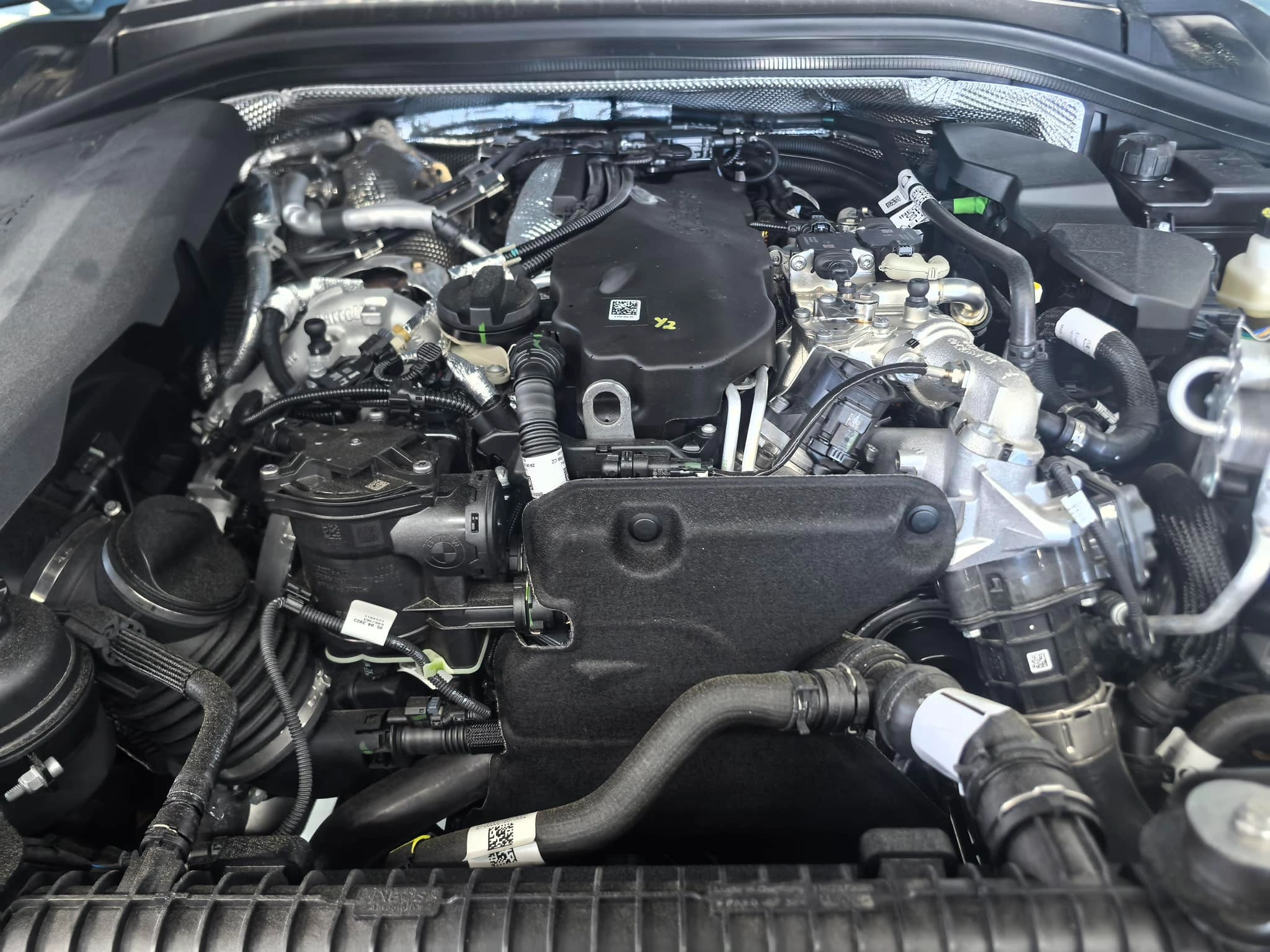
Mercedes-Benz vehicles are among the most electronically sophisticated cars on the road. That sophistication is part of what makes them such a pleasure to drive, but it also means that a single sensor, module, or wiring connection can set off a chain reaction across multiple vehicle systems. Here are the most common culprits our technicians find when diagnosing Mercedes electrical warning lights in Fort Collins.
1. A Weak or Failing Battery
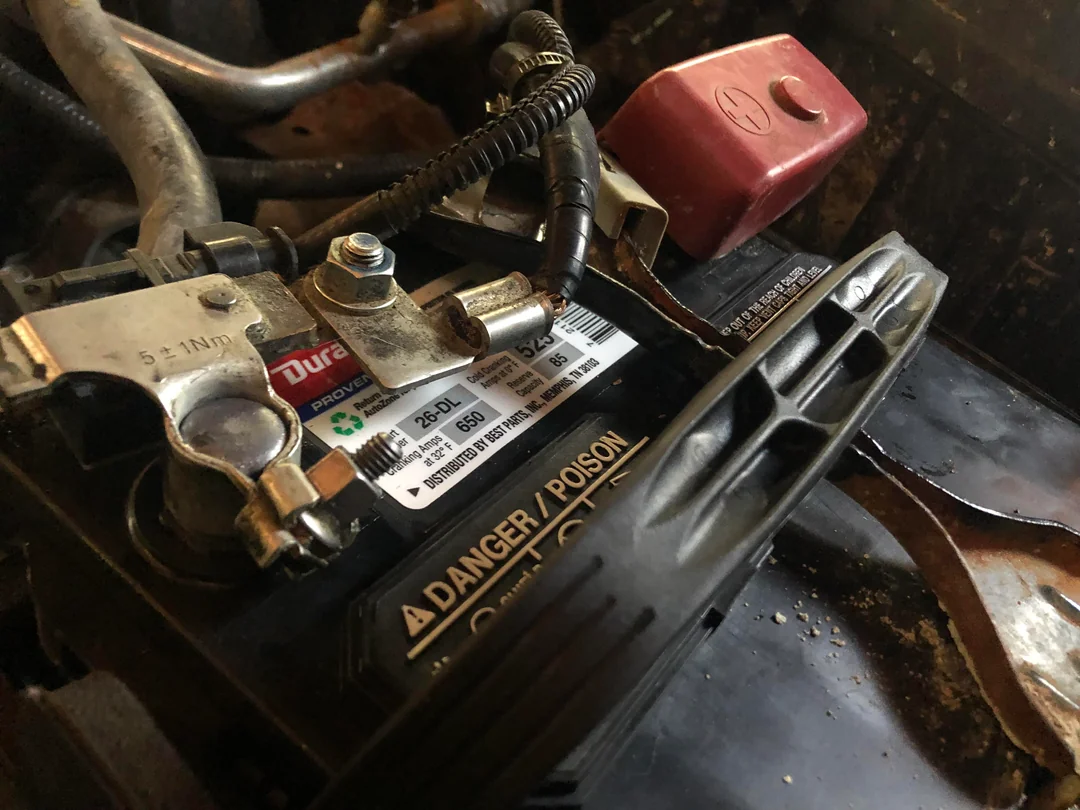
This is the most frequently overlooked cause of erratic warning lights on a Mercedes, and it is also the most common one we see. Mercedes models rely on a stable, precise voltage supply to keep dozens of electronic control units running properly. When the car battery starts to weaken, even slightly, the voltage dips can confuse sensors and modules into reporting faults that do not actually exist. Owners often assume their battery is fine because the car still starts, but starting the engine and powering the electronics are two very different demands on a battery. If your warning lights flicker at startup or after short trips, a battery test should be your first stop.
2. Faulty or Corroded Sensors
Modern Mercedes vehicles are packed with sensors: wheel speed sensors, temperature sensors, pressure sensors, oxygen sensors, and more. Over time, these sensors can fail outright, develop intermittent connections, or suffer from corrosion at their connectors. Colorado winters bring road salt, moisture, and wide temperature swings, all of which accelerate connector corrosion on any vehicle. A faulty sensor sends bad data to the car’s electronic control module, and the module responds by illuminating a warning light. The tricky part is that one bad sensor can trigger warning lights across multiple unrelated systems, making the problem look far worse than it is.
3. Software Glitches and Control Module Faults
Mercedes-Benz vehicles use a network of interconnected control modules to manage everything from the engine and transmission to the suspension, lighting, and climate control. These modules communicate constantly over what is called a CAN bus network. When a module develops a software error, becomes corrupted, or loses communication with another module, the result can be a cascade of warning lights with no single mechanical root cause. This is why generic OBD-II scanners often fail to pinpoint the real problem on a Mercedes. Proper diagnosis requires factory-level scan tools that can read Mercedes-specific fault codes across every module in the car.
4. Wiring and Ground Connection Problems
Mercedes electrical systems are complex, and the wiring harnesses that tie everything together can develop problems over years of heat cycling, vibration, and exposure to moisture. Loose or corroded ground connections are a particularly sneaky cause of random warning lights because a poor ground affects everything connected to that circuit. A single bad ground point can cause the ESP warning, the airbag light, the battery light, and the check engine light to all appear at the same time. Tracing wiring issues requires patience and the right diagnostic equipment, but catching them early is far less expensive than replacing multiple components chasing phantom faults.
5. Low Fluid Levels and Pressure Sensors
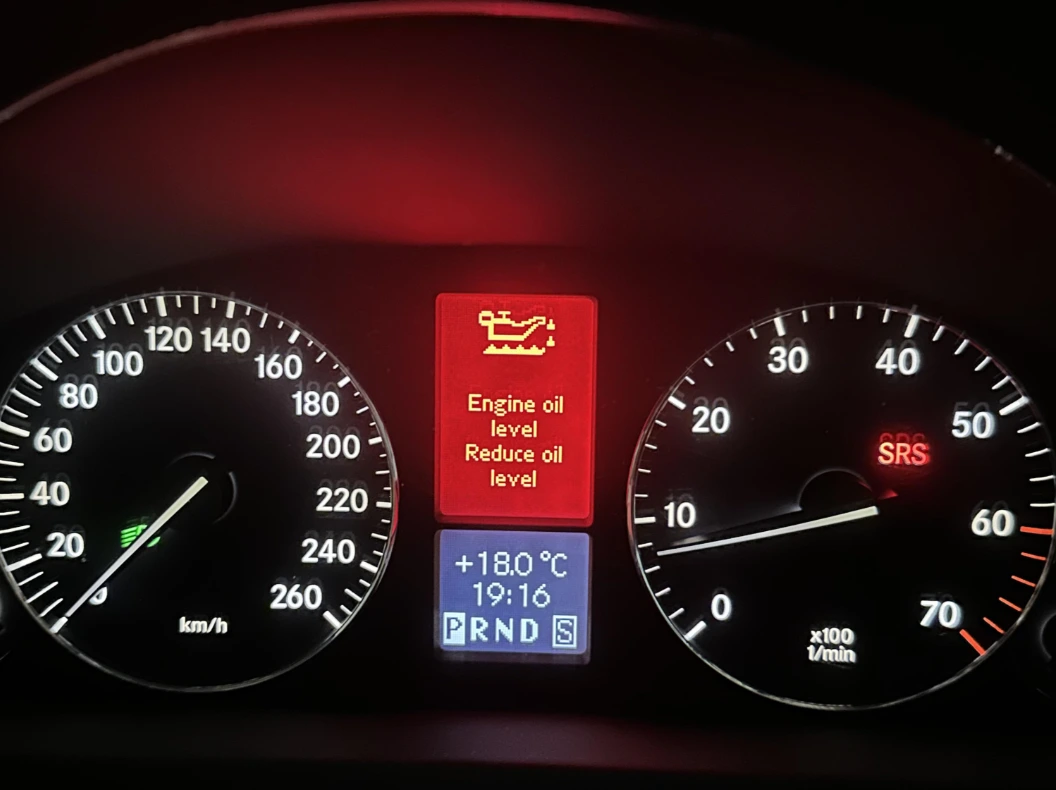
Some Mercedes warning lights are genuinely straightforward: the car is telling you something is low or out of range. Coolant level, engine oil level, brake fluid, and power steering fluid each have dedicated sensors that trigger dashboard warnings when levels drop. However, the warning light that appears is not always specific. A low coolant level can trigger a temperature warning and a powertrain fault simultaneously if the system interprets the data as an overheating risk. Staying on top of fluid levels as part of your regular factory scheduled maintenance eliminates this category of warning lights entirely.
6. Aftermarket Accessories and Non-OEM Parts
Mercedes electrical systems are calibrated to work with original equipment components and specific electrical loads. Installing aftermarket accessories such as alarm systems, remote starters, or non-OEM lighting can introduce voltage irregularities or communication conflicts that the car’s control modules interpret as faults. Similarly, using non-OEM replacement parts for sensors, batteries, or modules can cause the system to report errors because the part’s specifications do not match what the Mercedes expects. This is especially common after previous repairs at shops that do not specialize in European vehicles.
What to Do When Your Mercedes Warning Lights Come On
Seeing multiple warning lights at once can feel alarming, but staying calm and responding systematically will save you money and protect your car. Here is what to do when you notice warning lights on your Mercedes-Benz.
1. Note Which Lights Are On and When They Appear
Pay attention to whether the lights come on at startup and go away, or whether they stay on during driving. Note if they appear after a cold start, after the engine warms up, or only at certain speeds. This information is genuinely useful to your technician. The pattern of when the lights appear often points directly to specific systems or conditions, shortening the diagnostic process and saving you time and money on your repair bill.
2. Do Not Ignore Red Warning Lights
Mercedes uses a color-coded warning system. Yellow or amber lights typically indicate something that needs attention soon but is not immediately dangerous. Red lights mean stop and address the problem now. If you see a red oil pressure light, red temperature warning, or red battery light, pull over safely as soon as possible. Continuing to drive with an active red warning can cause serious engine or transmission damage within minutes. Amber lights are worth addressing promptly, but they generally do not require you to stop driving immediately.
3. Get a Proper Mercedes-Specific Diagnostic Scan
The generic OBD-II scanners available at auto parts stores read basic powertrain codes, but they miss the vast majority of faults that Mercedes vehicles store in their body, chassis, and comfort system modules. A proper diagnosis requires a professional scan tool capable of reading Mercedes-Benz factory fault codes across all control modules. Our electrical diagnostics service uses professional equipment to read every module in your vehicle, giving us a complete picture of what the car is actually experiencing rather than guessing based on incomplete data.
4. Check Your Battery First
Before assuming the worst, have your battery tested with a proper load test, not just a voltage check. A battery that reads 12.4 volts at rest can still fail under the load of starting the engine and powering the electronics simultaneously. At A&B Import Auto, battery testing is a quick, simple step we include as part of any electrical diagnostic visit. If the battery is the culprit, replacing it resolves the random warning lights without any further work needed.
5. Stay Current on Scheduled Maintenance
Many Mercedes warning lights are connected to maintenance intervals. The service indicator system tracks oil life, filter condition, and inspection due dates based on mileage and driving conditions. Skipping or delaying scheduled services does not just affect performance; it also allows minor issues to develop into the kinds of faults that trigger warning lights. Keeping your Mercedes on its factory maintenance schedule is one of the simplest things you can do to reduce unexpected dashboard alerts. Our team can pull up your vehicle’s full service history and help you catch up on anything that has been deferred.
Trust A&B Import Auto for Mercedes-Benz Electrical Repair in Fort Collins
A&B Import Auto has been Fort Collins’ go-to European auto repair shop since 1984. Our ASE-certified technicians specialize in Mercedes-Benz vehicles and use factory-level diagnostic tools to pinpoint electrical faults accurately, the first time.
We serve drivers from Fort Collins, Loveland, Windsor, Greeley, and all of Northern Colorado. Whether you are dealing with a single persistent warning light or a full dashboard of alerts, schedule your vehicle inspection with us today!