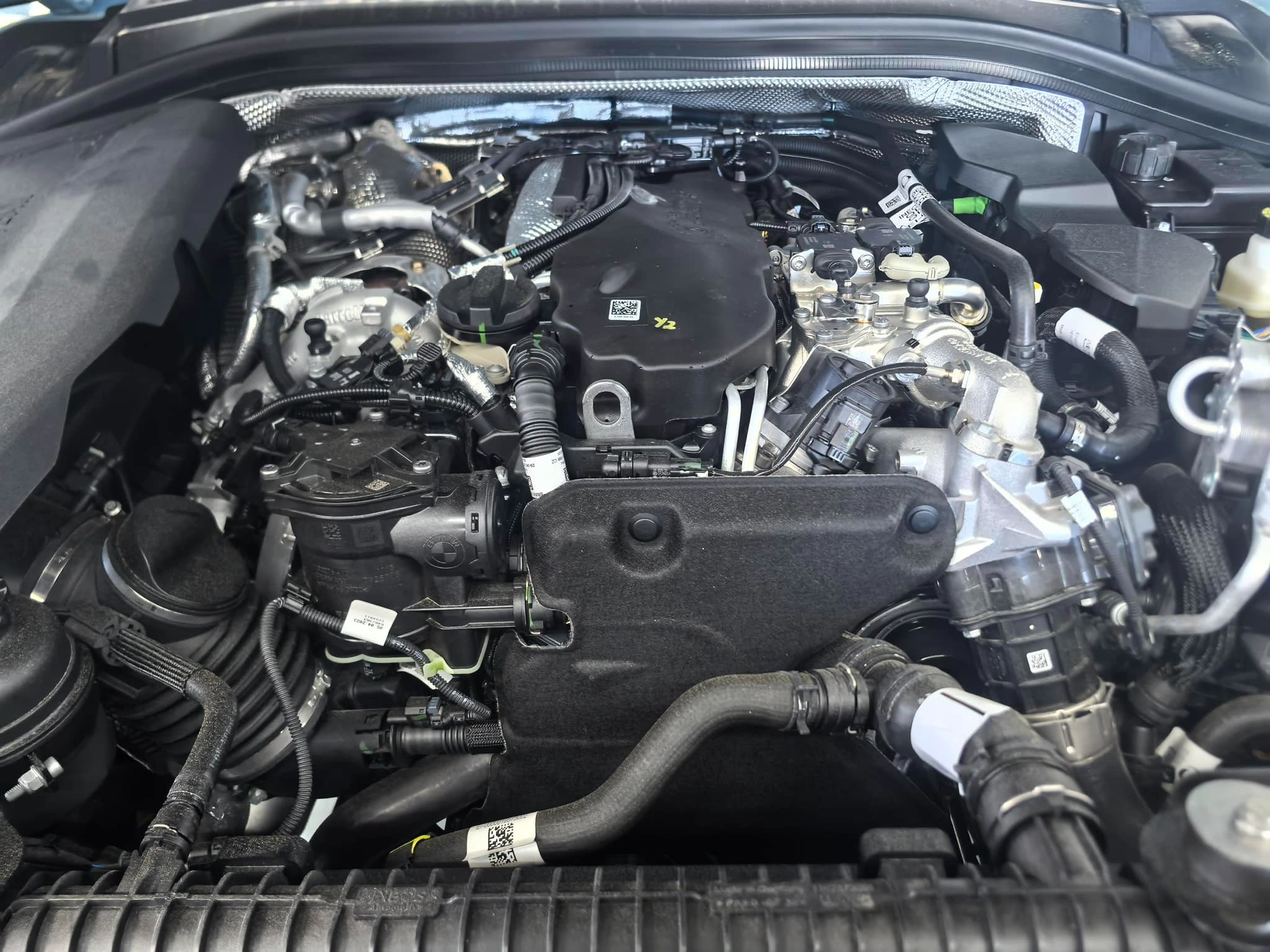
Engine knocking is one of those sounds that stops you in your tracks. You turn the key, the Grenadier fires up, and somewhere under the hood you hear a persistent knock, tick, or rap that was not there before. Many drivers put off investigating it, hoping it goes away on its own. It rarely does. In most cases, engine knock is your vehicle signaling that something needs attention before a minor issue turns into a costly rebuild.
At A&B Import Auto, we are Fort Collins’ trusted European and import auto repair shop, and we have been diagnosing Ineos Grenadier engine problems since the vehicle arrived in the U.S. market. If you are searching for answers about why your Ineos Grenadier is knocking, this guide will walk you through the most common causes, what they mean for your engine, and how to protect your investment before small problems turn serious.
Common Causes of Engine Knocking in an Ineos Grenadier
The Ineos Grenadier is built around BMW’s B57 3.0-liter inline-six diesel or the B58 3.0-liter inline-six petrol engine, both of which are precision-engineered power plants. Because these engines are tuned tightly and designed to run within narrow tolerances, they are sensitive to the usual culprits that cause knocking in any modern performance engine. Here are the most likely causes.
1. Low or Degraded Engine Oil
Oil is the lifeblood of your engine. When oil pressure drops below the proper operating range, or when the oil has broken down past its service life, the metal components inside the engine start moving against each other without adequate lubrication. That friction produces a distinct knocking or tapping sound, often most noticeable at startup or during acceleration. The BMW-sourced engines in the Grenadier have tight tolerances and demand clean, fresh oil at the correct viscosity. Running an extended oil change interval or using the wrong oil grade is one of the fastest ways to develop a knock in these engines. If your Ineos Grenadier is knocking, checking the oil level and condition is always the right first step.
2. Carbon Buildup on Intake Valves
Both the B57 diesel and B58 petrol engines use direct injection, which means fuel is sprayed directly into the combustion chamber rather than through the intake port. This design is efficient and powerful, but it comes with a well-documented side effect: carbon deposits accumulate on the back of the intake valves over time because fuel never washes over them. Heavy carbon buildup can disrupt airflow, cause misfires, and produce a knocking or rattling sound during combustion. In the Fort Collins area, where many Grenadier owners put serious off-road miles on their vehicles, this issue can develop faster than it might in a purely highway-driven car. Walnut blasting or chemical intake cleaning is the standard remedy.
3. Incorrect Fuel Octane (Petrol Models)
For Grenadier owners running the B58 petrol engine, fuel quality matters more than most people realize. The B58 is a turbocharged, high-compression engine that requires premium fuel to operate correctly. Running regular 87-octane gasoline in a vehicle spec’d for 91 or higher causes pre-detonation, also called spark knock or pinging, where the air-fuel mixture ignites too early in the combustion cycle. You will hear this as a hollow knocking sound during acceleration or under load. At higher elevations around northern Colorado, where fuel combustion dynamics already change due to thinner air, using the wrong octane can compound the problem quickly.
4. Worn Rod Bearings or Main Bearings
If the knock you are hearing is a deep, rhythmic thudding sound that increases with engine RPM, worn connecting rod bearings or main bearings are a serious possibility. These bearings sit between the crankshaft and the connecting rods, allowing smooth rotation under enormous pressure. Over time, oil contamination, infrequent changes, or extended high-load use can wear the bearing surfaces thin. When clearances open up, metal meets metal and produces a heavy knock that will not go away. This is the type of engine knock that demands immediate attention. Continued driving with worn rod bearings can result in a spun bearing and catastrophic engine failure. If you suspect this is the source of your Grenadier’s knock, stop driving and have it inspected by a professional as soon as possible.
5. Fuel Injector Problems (Diesel Models)
On diesel-powered Grenadiers running the B57 engine, a faulty or worn fuel injector can cause a clatter or knock that sounds similar to a mechanical issue but is actually a combustion irregularity. Diesel engines rely on precise injection timing and spray patterns to achieve clean, controlled combustion. When an injector sticks open, delivers too much fuel, or atomizes the spray unevenly, it creates an uneven burn that produces a knocking or rattling sound, particularly at idle. A professional diesel engine diagnostic with injector testing can quickly isolate whether the problem is fuel delivery rather than a mechanical engine fault.
6. Timing Chain or Tensioner Issues
The B57 and B58 engines use a timing chain rather than a timing belt. Timing chains are generally durable, but they do stretch over time, and the tensioners that keep them taut can wear or fail. A loose or worn timing chain produces a rattling or slapping sound, often most prominent on cold starts before oil pressure fully builds. If the chain rattles at startup and quiets down after a minute, that pattern is a strong clue that the tensioner or chain guide is worn. Left unaddressed, a loose timing chain can jump teeth and cause serious valve and piston damage. This is a repair worth prioritizing early.
What to Do When Your Ineos Grenadier Engine Is Knocking
Knowing the possible causes is helpful, but acting on that knowledge is what protects your engine. Here are the steps every Grenadier owner should take when engine knocking begins.
1. Check Your Oil Level and Quality Immediately
Pull over safely, let the engine cool for a few minutes, and check the dipstick. If the oil is low, add the correct spec oil and see if the knock changes. If the oil looks dark, gritty, or has a milky appearance (which can indicate coolant contamination), do not drive the vehicle further. Bring it in for an oil change and engine inspection right away. Clean oil at the correct level is the cheapest insurance for any engine.
2. Do Not Dismiss Cold Start Knock
Some Grenadier owners dismiss a knock that only appears for the first few seconds after a cold start. While brief startup noise can sometimes be normal, persistent cold start knock that lasts more than a few seconds usually points to low oil pressure, timing chain tension issues, or bearing wear. The cold start moment is when oil pressure is at its lowest and components are at their tightest tolerances. A knock at this point is your engine asking for help.
3. Get a Professional Engine Diagnostic
Modern engines like the BMW-sourced units in the Grenadier are complex, and the difference between a carbon buildup issue and a failing rod bearing can mean the difference between a few hundred dollars and several thousand. A proper engine diagnostic with a scan tool, oil pressure test, and physical inspection gives you a real answer rather than guesswork. Trying to diagnose engine knock by ear alone is a gamble with an expensive engine.
4. Keep Up With Factory Scheduled Maintenance
Many of the most common causes of engine knock in the Ineos Grenadier are preventable with consistent maintenance. Regular oil changes at the manufacturer’s recommended intervals, quality oil filters, and periodic fuel system services go a long way toward keeping carbon buildup minimal and bearing surfaces healthy. If your Grenadier is due for factory scheduled maintenance, getting current on that service is the single best preventive step you can take.
5. Use the Correct Fuel and Fluids
For petrol Grenadier owners in Colorado, always use premium 91+ octane fuel, especially when driving at elevation or towing. High altitude already reduces the effective octane rating of fuel, so running 87 octane in the mountains is a reliable way to cause detonation knock. For diesel owners, using quality fuel from reputable stations and keeping up with fuel filter replacements helps protect injectors and the high-pressure fuel pump from contamination damage.
Trust A&B Import Auto for Ineos Grenadier Repair in Fort Collins
Engine knocking is not a problem that rewards patience. The longer a knock goes undiagnosed, the more likely it is that a manageable repair turns into an engine replacement. Whether the noise in your Grenadier turns out to be a simple oil issue, carbon buildup, or something that requires deeper engine work, getting a clear diagnosis quickly is what keeps repair costs reasonable and your vehicle on the road.
Schedule an appointment today!