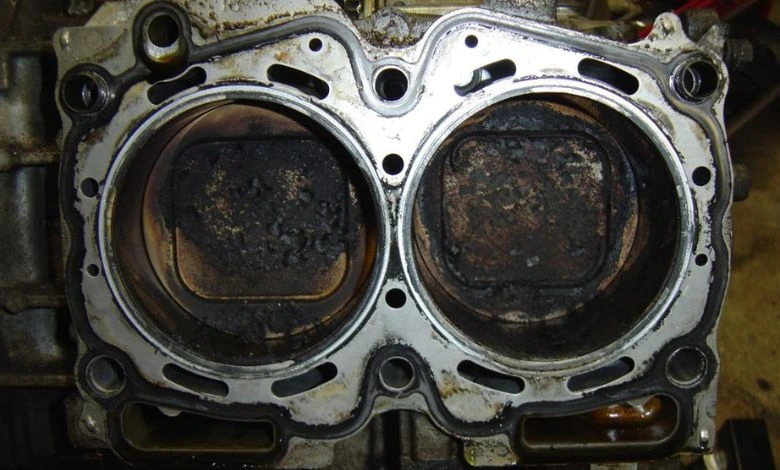
Subaru owners love their cars for good reason. These vehicles handle Colorado’s mountain roads beautifully, hold their resale value, and last well past 200,000 miles with proper care. But there is one issue that Subaru drivers in Fort Collins and across Northern Colorado need to know about: head gasket failure. It is one of the most common and costly problems in older Subaru models, and the frustrating part is that many drivers do not catch the warning signs until serious engine damage has already been done.
At A&B Import Auto, we have been serving Subaru owners in Fort Collins, Colorado since 1984. We know exactly what to look for when a head gasket starts to go, and we want to help you recognize the symptoms early before a small problem becomes an expensive repair. This guide walks you through every warning sign, what causes the failure in the first place, and what steps to take when you suspect something is wrong.
Warning Signs of a Failing Subaru Head Gasket
Head gaskets do not usually fail all at once. The deterioration happens gradually, which is why catching the problem early can save you thousands of dollars. Here are the most common symptoms to watch for.
1. White or Sweet-Smelling Exhaust Smoke
If you notice white or grayish smoke coming from your exhaust that does not clear up after your engine warms up, that is a significant red flag. A healthy engine may produce a small puff of white vapor on cold mornings in Colorado’s winter weather, but it should disappear within the first minute or two of driving. Persistent white smoke, especially with a sweet or slightly chemical smell, usually means coolant is leaking into the combustion chamber and being burned off with the fuel. This is one of the earliest and most telling signs of a compromised head gasket.
2. Milky or Foamy Oil
Pull out your dipstick and take a close look at your oil. If it looks milky, frothy, or has a light brown caramel color instead of the usual dark amber or black, coolant has likely made its way into your oil passages. This is a serious condition because oil contaminated with coolant loses its lubricating properties rapidly, and driving on it even briefly can cause metal-on-metal contact inside your engine. Check your oil cap as well. A creamy residue on the underside of the cap is another reliable indicator of internal coolant mixing.
3. Engine Overheating
A failing head gasket often disrupts the cooling system’s ability to regulate engine temperature. If your temperature gauge is creeping toward the red more often, or if you are losing coolant without any visible puddles under your car, the gasket may be allowing coolant to escape internally. Subarus with the EJ-series flat-four engine (commonly found in models from the late 1990s through the mid-2010s) are particularly prone to this. At altitude, like when you are driving through Poudre Canyon or up toward Rocky Mountain National Park, an overheating Subaru is not just an inconvenience. It can cause the head to warp and turn a gasket replacement into a full engine repair.
4. Coolant Loss Without an External Leak
You top off your coolant reservoir, but a week later it is low again. You check the driveway and there is nothing dripping. This pattern of disappearing coolant with no visible external leak is a classic sign of an internal head gasket failure. The coolant is either being burned through the combustion chamber and exiting as exhaust, or it is mixing with your oil. Either way, continuing to drive in this condition risks overheating and permanent engine damage.
5. Bubbling in the Radiator or Overflow Tank
With the engine warm and running, carefully remove the radiator cap (only when the engine is cool to avoid burns) or check the overflow reservoir. If you see bubbling or notice the coolant level fluctuating erratically, combustion gases are likely being forced into the cooling system through a breach in the head gasket. This test, combined with a proper combustion leak test using a block tester, is one of the most reliable ways to confirm a head gasket problem before tearing the engine apart.
6. Rough Idle or Engine Misfires
Coolant leaking into a cylinder can foul spark plugs, disrupt the air-fuel mixture, and cause the engine to misfire or run rough, especially at idle. If your Subaru is shaking more than usual, hesitating on acceleration, or throwing a misfire trouble code, a leaking head gasket is worth ruling out during diagnosis. Misfires left unaddressed also stress your catalytic converter, adding another layer of potential damage.
Why Are Subarus Prone to Head Gasket Problems?
The head gasket issue is not random. It stems from a specific combination of engineering and materials choices that Subaru used during a particular era of production. Understanding why helps you assess your own vehicle’s risk.
1. The Flat-Four (Boxer) Engine Design
Subaru’s signature horizontally opposed engine, often called the boxer or flat-four, places the cylinder heads on the sides rather than the top. This layout means coolant must travel a more complex path through the engine, and the head gaskets sit in an orientation that can make sealing more challenging over time. The design is generally efficient and reliable, but it does put unique stress on the gaskets compared to a traditional inline or V-configuration engine.
2. The Multi-Layer Steel vs. Graphite Gasket Issue
Early EJ-series Subaru engines used graphite-based head gaskets that proved less durable than the multi-layer steel gaskets that became the industry standard. Subaru updated the gasket material partway through production, but many vehicles from the 1996 to 2011 period still carry the original composite design. If your Subaru has not had the head gaskets replaced and it has significant mileage, it is likely still running on those older-style gaskets.
3. Thermal Expansion and Colorado’s Climate
Fort Collins drivers experience real temperature swings, from hot summer afternoons to freezing mornings in the Cache la Poudre River valley. The repeated heating and cooling cycles cause engine components to expand and contract constantly. Over time, that cycling stresses the head gasket’s seal against the engine block and cylinder head. Combined with an aging gasket material, this thermal stress accelerates the failure timeline. Keeping up with regular cooling system maintenance is one of the best defenses against this kind of wear.
What to Do If You Suspect a Head Gasket Problem
Catching these symptoms early gives you options. Here is how to respond the right way.
1. Do Not Ignore Overheating
If your temperature gauge spikes, pull over safely and turn off the engine. Do not add cold water to a hot radiator. Let the engine cool completely before checking anything. Driving even a short distance on an overheating engine with a compromised head gasket can cause the aluminum cylinder head to warp, which dramatically increases repair costs. An overheated engine is an emergency, not an inconvenience.
2. Schedule a Diagnostic Inspection Right Away
Do not wait for things to get worse. A trained technician can perform a combustion leak test, pressure test the cooling system, and check for the presence of hydrocarbons in the coolant. These non-invasive tests can confirm or rule out a head gasket problem without pulling the engine apart. The earlier you catch it, the more repair options you have. Scheduling a professional vehicle inspection is the smartest move you can make when multiple symptoms are present at the same time.
3. Stay Current on Oil and Coolant Changes
This may sound basic, but clean oil and fresh coolant genuinely extend the life of your head gaskets. Old coolant becomes acidic and corrodes gasket materials from the inside. Degraded oil loses its film strength and puts extra heat into the engine. Keeping up with routine oil changes and coolant flushes on schedule is one of the most effective and affordable ways to prevent premature gasket failure.
4. Know Your Model Year and Mileage Risk
Subaru Outback, Forester, Legacy, and Impreza models from roughly 1999 to 2011 with the 2.5-liter naturally aspirated EJ253 engine carry the highest risk of head gasket failure. If your vehicle falls into this range and is approaching or past 100,000 miles without a prior head gasket replacement, it is worth having a preventive inspection done. Many Fort Collins drivers have avoided thousands of dollars in damage by addressing the issue proactively rather than reactively.
5. Work With a Shop That Knows Subarus
A head gasket job on a Subaru is not the same as on other vehicles. The boxer engine layout requires specific torque sequences, proper resurfacing of the cylinder heads, and the right replacement gasket for your model year. Using the wrong parts or skipping critical steps during reassembly leads to repeat failures. Always choose a shop with documented Subaru experience and quality parts.
Trust A&B Import Auto for Subaru Engine Repair in Fort Collins
A failing head gasket does not have to mean a ruined engine. The window between early symptoms and serious damage is real, and catching things at the right moment can mean the difference between a reasonable repair and a full engine replacement. The signs are there if you know where to look: unusual exhaust smoke, oil contamination, rising temperature gauges, and unexplained coolant loss. None of them should be written off as normal.
Schedule an appointment today!