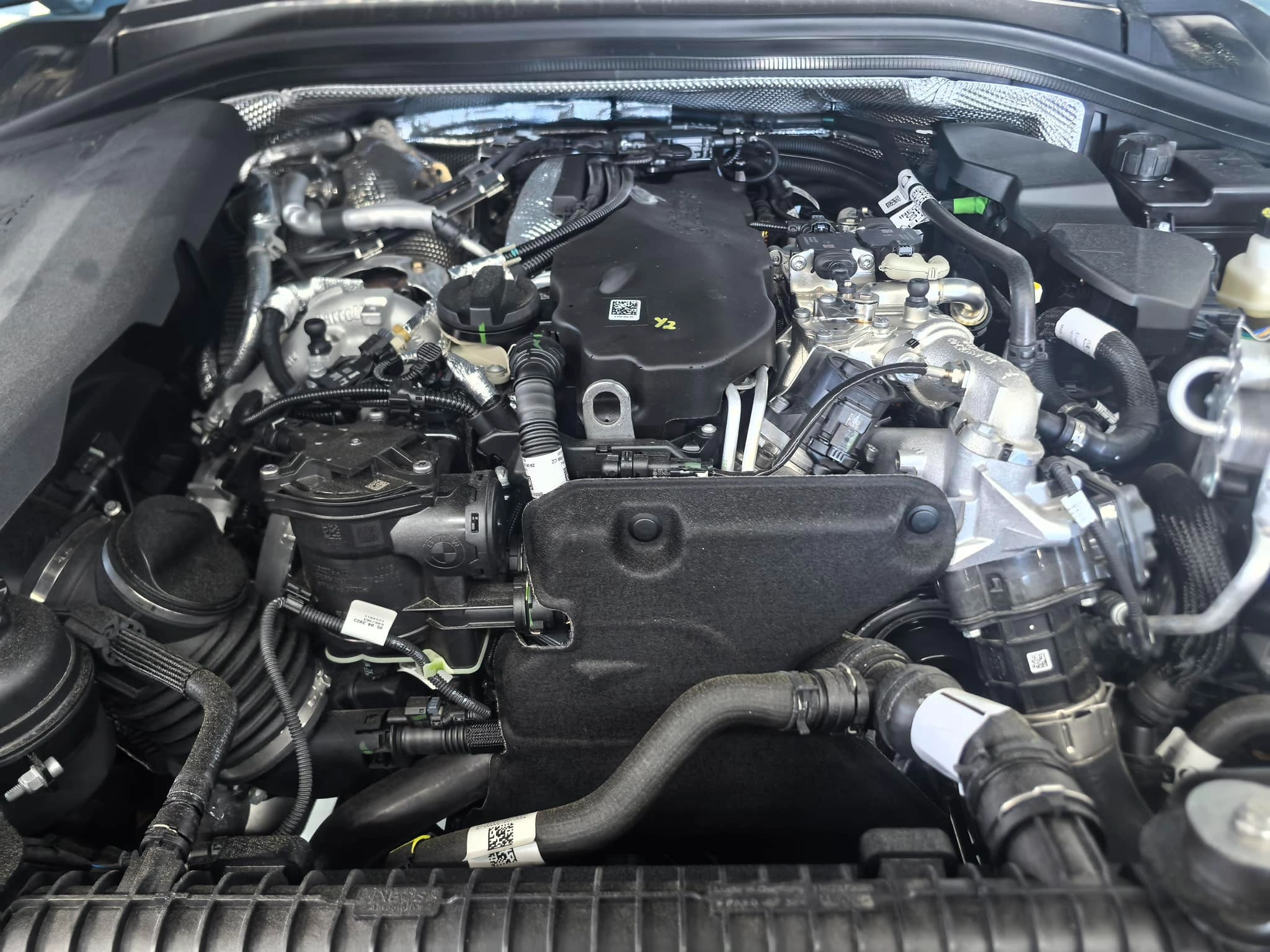
When your Subaru’s all wheel drive system starts producing a grinding noise, it is never something to ignore. This type of sound often signals internal wear, lubrication issues, or drivetrain component failure that can worsen quickly if left unaddressed.
At A&B Import Auto in Fort Collins, Colorado, drivers frequently bring in vehicles experiencing grinding noises tied to the AWD system. The most common causes include worn wheel bearings, failing differentials, damaged CV joints, low or contaminated gear oil, and brake related interference. Understanding these issues early can help you avoid costly repairs and maintain the reliability Subaru vehicles are known for.
Common Causes of Subaru AWD Grinding Noise
1. Worn Wheel Bearings
Wheel bearings are critical for smooth wheel rotation, especially in an AWD system where all four wheels are constantly engaged. Over time, bearings wear down due to heat, moisture, and road debris. When they begin to fail, they produce a grinding or growling noise that increases with speed. This is one of the most common reasons customers seek auto repair services for Subaru vehicles.
2. Failing Front or Rear Differential
Your Subaru’s AWD system relies heavily on both front and rear differentials to distribute power evenly. Inside these components are gears that require proper lubrication to function smoothly. When the differential fluid becomes contaminated or runs low, metal on metal contact occurs, creating a grinding sound.
Differential problems are a serious concern in auto repair diagnostics. If left unresolved, internal gear damage can require a complete differential rebuild or replacement. Early detection through professional auto repair can save thousands in long term costs.
3. Damaged CV Joints
Constant velocity joints connect the transmission to the wheels and allow for smooth power transfer while turning. In AWD vehicles, these joints are under constant stress. When the protective CV boot tears, grease leaks out and contaminants enter, leading to rapid wear.
4. Low or Contaminated Gear Oil
Gear oil lubricates the internal components of your AWD drivetrain, including the transmission and differentials. When this fluid degrades or becomes contaminated with debris, it loses its ability to protect metal surfaces. The result is increased friction and a noticeable grinding sound.
Routine maintenance often includes checking and replacing gear oil. Neglecting this simple service can lead to extensive drivetrain damage that requires major Subaru repair work.
5. Brake System Interference
Sometimes the grinding noise is not directly from the AWD system but from the braking components. Worn brake pads can grind against rotors, producing a harsh metallic sound that may be mistaken for drivetrain issues.
In many cases, technicians discover that brake wear indicators or debris caught in the braking system are the culprits. A thorough inspection by a qualified auto repair shop can quickly differentiate between brake and AWD related noises.
6. Transfer Case Issues
The transfer case is responsible for distributing power between the front and rear wheels in an AWD system. Internal wear or fluid issues within the transfer case can lead to grinding noises during acceleration or deceleration.
This component is often overlooked in routine maintenance, yet it plays a vital role in Subaru performance. Addressing transfer case concerns early through professional Subaru repair ensures consistent AWD functionality.
Preventive Maintenance for Subaru AWD Systems
Proper maintenance is the most effective way to prevent grinding noises and extend the life of your vehicle. Subaru owners who follow a consistent service schedule experience fewer drivetrain problems and better overall performance.
1. Regular Fluid Inspections
Consistently checking differential and transmission fluid levels helps maintain proper lubrication across critical drivetrain components. Over time, these fluids can break down or become contaminated, reducing their effectiveness. Replacing them at manufacturer recommended intervals ensures smoother operation and minimizes internal friction. This simple maintenance step plays a major role in preventing premature wear in AWD systems.
2. Routine Brake Checks
Brake components should be inspected regularly to confirm that pads and rotors remain within safe operating limits. Worn brake pads can create grinding sounds that are often mistaken for drivetrain issues. Addressing brake wear early helps maintain consistent stopping performance and prevents rotor damage. Keeping the braking system in top condition also contributes to overall driving safety.
3. CV Boot Inspections
CV boots protect the axle joints by keeping grease in and contaminants out, making them essential for long term reliability. Even minor cracks or tears can allow dirt and moisture to enter, accelerating wear on the joint. Catching damage early allows for a simple boot replacement instead of a full axle repair. This proactive approach significantly reduces long term repair costs.
4. Wheel Bearing Evaluation
Wheel bearings should be checked periodically, especially if there are unusual humming or grinding noises while driving. These components support smooth wheel rotation and can wear out gradually over time. Ignoring early warning signs can lead to more severe damage or even wheel instability. Timely inspection and replacement help maintain proper vehicle handling and safety.
5. Drivetrain System Diagnostics
A comprehensive inspection of the AWD system ensures that all interconnected components are functioning correctly. This includes evaluating the transfer case, driveshaft, and related assemblies for wear or imbalance. Identifying minor issues early prevents them from escalating into more complex and costly failures. Routine diagnostics are a critical part of maintaining long term Subaru reliability.
6. Tire Maintenance
Maintaining even tire wear across all four wheels is essential for AWD system performance. Uneven tread depth can create unnecessary strain on drivetrain components, leading to accelerated wear. Regular tire rotations and proper inflation help distribute load evenly and improve traction. Keeping tires in optimal condition supports both vehicle stability and drivetrain longevity.
Expert Subaru Repair at A&B Import Auto
If you notice persistent grinding noises, especially during acceleration, turning, or braking, it is time to seek professional auto repair. Waiting too long can result in severe drivetrain damage and higher repair costs.
A&B Import Auto in Fort Collins, Colorado specializes in Subaru repair and understands the complexities of AWD systems. Our experienced technicians provide accurate diagnostics and reliable solutions tailored to your vehicle. Schedule an inspection today!