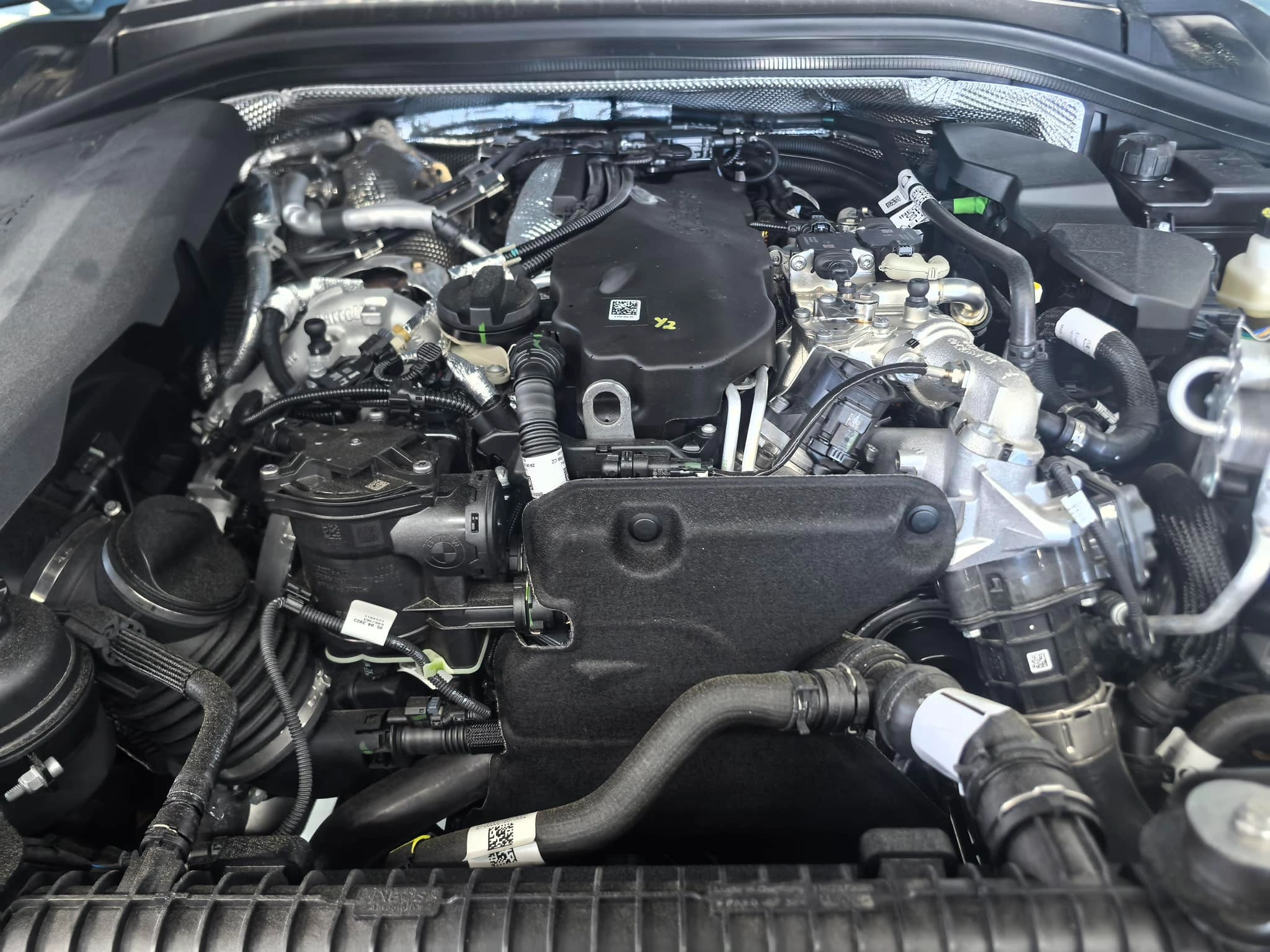
A&B Import Auto provides professional auto repair and maintenance services for modern European and off-road capable vehicles such as the INEOS Grenadier. Engine oil consumption issues in this platform can arise from a combination of mechanical wear, operating conditions, and maintenance habits. Understanding the underlying causes of engine oil burning is essential for timely INEOS repair and long term engine health.
Engine oil burning, also referred to as excessive oil consumption, occurs when oil enters the combustion chamber and is burned during normal engine operation. While a small amount of oil consumption can be considered normal, noticeable drops in oil levels, visible exhaust smoke, or frequent top offs indicate a deeper issue that requires professional auto repair diagnostics.
Common Causes of Engine Oil Burning in the INEOS Grenadier
- Worn or Damaged Piston Rings
Piston rings create a seal between the piston and cylinder wall. When they wear out or become damaged, oil can slip past into the combustion chamber. This leads to oil burning, reduced compression, and decreased engine efficiency. Over time, this condition may also contribute to poor fuel economy and increased emissions.
- Valve Seal Deterioration
Valve seals prevent oil from leaking into the intake or exhaust ports. When these seals harden or crack due to age or heat exposure, oil can seep into the cylinders. This is often noticeable during cold starts or after extended idling, where brief smoke from the exhaust may appear.
- PCV System Malfunction
The positive crankcase ventilation system regulates internal engine pressure and recirculates vapors. If this system becomes clogged or fails, pressure can force oil into areas where it should not be. A malfunctioning PCV system is a common yet often overlooked cause of oil consumption issues in modern engines.
- Turbocharger Seal Issues
If the Grenadier is equipped with a turbocharged engine, worn turbo seals can allow engine oil to pass into the intake or exhaust stream. This results in oil burning under boost conditions. Turbo related oil consumption often presents alongside reduced performance or unusual exhaust smoke.
- Improper Oil Type or Viscosity
Using the incorrect oil grade or a low quality lubricant can increase oil consumption. Engine designs require specific viscosity levels to maintain proper sealing and lubrication. Incorrect oil can thin out under heat, making it easier for oil to enter the combustion chamber.
- Engine Overheating
Excessive engine temperatures can degrade oil faster and damage internal seals. Overheating can also cause metal components to expand beyond their tolerances, which reduces sealing effectiveness and allows oil to pass into the combustion process.
- High Mileage Engine Wear
As engines accumulate mileage, internal components naturally wear down. Even well maintained vehicles may begin to consume more oil over time. This is especially relevant for vehicles used in demanding conditions such as off road driving, towing, or frequent stop and go operation.
Warning Signs of Oil Burning in the INEOS Grenadier
Blue or Gray Exhaust Smoke
Blue or gray smoke from the exhaust is a common sign of oil burning inside the engine. This happens when engine oil leaks into the combustion chamber and is ignited along with the fuel. It is often more noticeable during acceleration or startup and should be addressed promptly through proper auto repair diagnostics.
Frequent Oil Level Drops
A consistently low engine oil level without any visible external leaks often indicates internal oil consumption. This requires regular monitoring of oil levels to prevent engine damage. Ignoring this issue can lead to increased wear on engine components and costly repairs.
Spark Plug Fouling
When oil enters the combustion chamber, it can leave deposits on the spark plugs. These deposits interfere with proper ignition, leading to misfires and rough engine operation. Over time, fouled spark plugs reduce fuel efficiency and overall engine performance.
Reduced Engine Performance
Engines that are burning oil often experience noticeable performance issues such as sluggish acceleration or reduced power output. This occurs because oil contamination disrupts the combustion process. Inconsistent engine behavior is a clear signal that professional inspection and auto repair service may be required.
Oil Smell from Exhaust
A burnt oil odor coming from the exhaust system suggests that engine oil is being consumed during combustion. This smell is typically noticeable during idling or driving and may be accompanied by smoke. It is important to have the vehicle inspected to identify the root cause and prevent further engine complications.
Importance of Timely INEOS Repair and Diagnostics
Delaying repairs when oil burning symptoms appear can lead to more extensive engine damage. Low oil levels reduce lubrication, increasing friction between moving parts. Over time, this can result in overheating, component failure, or complete engine breakdown.
Professional diagnostics at a trusted auto repair shop ensures accurate identification of the root cause. Technicians can perform compression tests, leak down tests, and visual inspections to determine whether the issue stems from piston rings, valve seals, turbo components, or ventilation systems.
Expert Ineos Grenadier Repair at A&B Import Auto
Engine oil burning in the INEOS Grenadier is a sign that should not be ignored. Whether caused by worn internal components, ventilation issues, or improper maintenance, addressing the problem early is key to preserving engine performance and reliability. Regular inspections, correct oil usage, and preventive maintenance are essential strategies for avoiding costly repairs.
For drivers seeking dependable INEOS repair and import auto repair services in Fort Collins, Colorado, A&B Import Auto delivers the expertise required to diagnose and resolve oil consumption issues effectively. Schedule an appointment today!