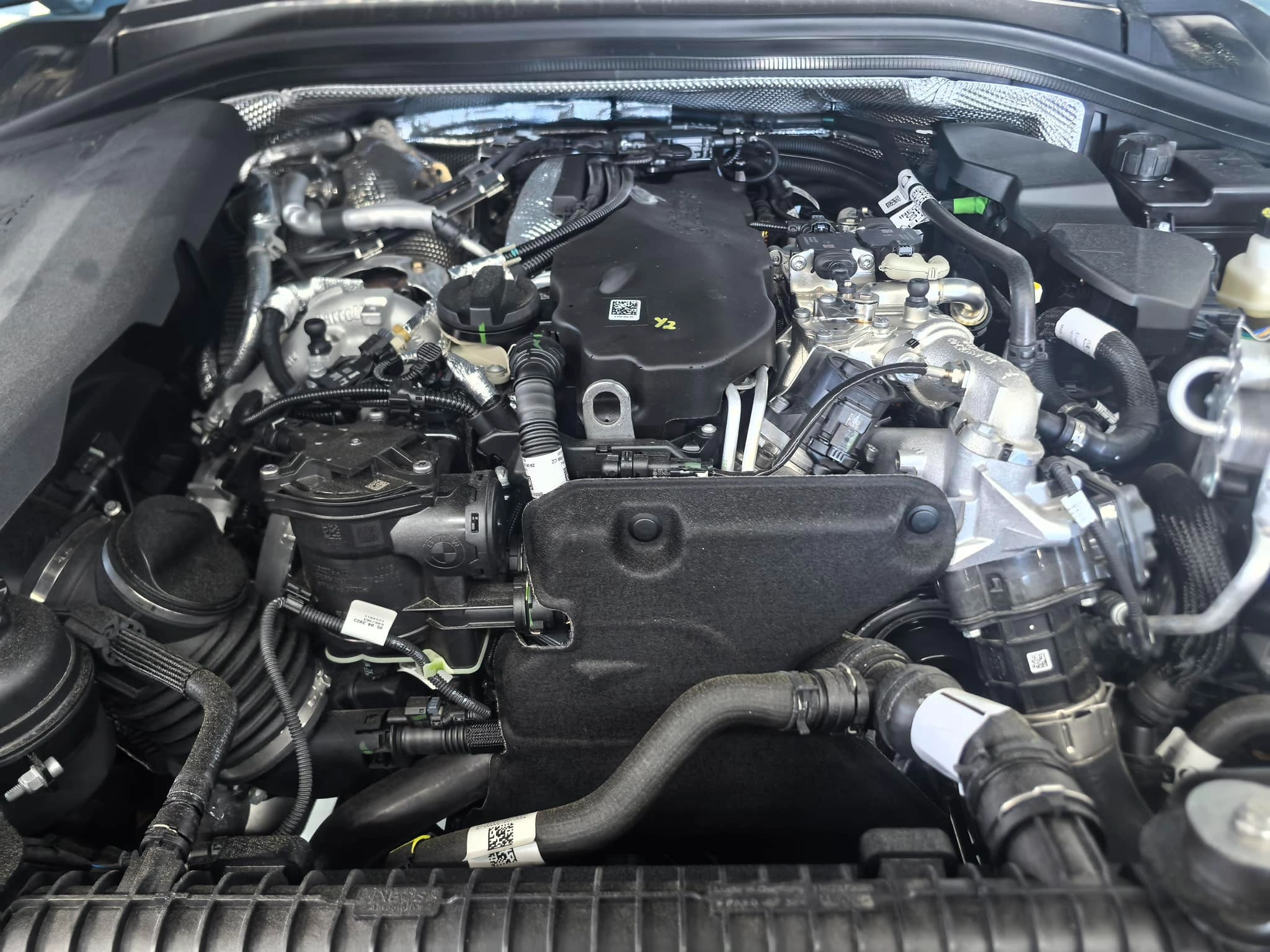
If you are hearing a knocking sound coming from your Ineos Grenadier, it is not something to ignore. Engine knocking is often an early warning sign that something inside your engine is not functioning as it should. Because the Grenadier is built for rugged performance and off road durability, unusual noises can indicate stress from heavy use, fuel quality issues, or internal wear.
At A&B Import Auto, experienced technicians understand the unique engineering behind the Grenadier. Whether the issue stems from combustion irregularities or mechanical wear, proper diagnostics and timely service are critical. Below is a detailed breakdown of the most common causes, symptoms, and preventive strategies to help you protect your investment.
Common Causes of Engine Knocking in an Ineos Grenadier
Low Octane or Poor Fuel Quality
Using fuel with an octane rating below the manufacturer’s recommendation can disrupt the engine’s normal combustion process. Instead of burning smoothly, the fuel may ignite too early, creating uneven pressure inside the cylinders. This premature ignition, commonly referred to as detonation, produces a noticeable knocking sound during acceleration. Consistently using low-quality fuel can also reduce engine efficiency and lead to long-term internal damage.
Carbon Buildup in the Engine
As the engine operates over time, carbon deposits gradually form on pistons and cylinder walls. These deposits reduce the available space in the combustion chamber, effectively increasing compression levels beyond optimal specifications. Higher compression can trigger uncontrolled fuel ignition, resulting in knocking noises. Vehicles that frequently take short trips or experience irregular driving conditions are especially vulnerable to this buildup.
Incorrect Ignition Timing
Proper ignition timing ensures that the air-fuel mixture ignites at the exact moment needed for efficient combustion. When the timing is off, the spark plugs may fire too early or too late, disrupting the pressure balance within the cylinders. This imbalance can lead to uneven combustion cycles and produce a knocking or pinging sound. In many cases, the issue stems from faulty sensors or problems within the engine control unit.
Worn Engine Bearings
Engine bearings are responsible for supporting critical moving parts such as the crankshaft and connecting rods. As these components wear down, they create excess clearance that allows parts to move improperly under load. This results in a deeper, more pronounced knocking sound that often increases with engine speed. Because this condition signals internal wear, it typically requires immediate professional repair to prevent catastrophic engine failure.
Low Engine Oil or Poor Lubrication
Engine oil acts as a protective barrier that minimizes friction between metal components. When oil levels drop or the oil becomes contaminated, this protection weakens and allows direct metal-to-metal contact. The increased friction not only produces knocking sounds but also accelerates wear on critical engine parts. If left unaddressed, poor lubrication can quickly escalate into severe engine damage.
Faulty Knock Sensor
The knock sensor plays a key role in monitoring combustion and detecting abnormal vibrations within the engine. When it functions correctly, it signals the system to adjust ignition timing and prevent knocking. A faulty sensor, however, fails to recognize these irregularities, allowing detonation to continue unchecked. This can lead to persistent knocking and reduced engine performance if not diagnosed and corrected promptly.
Signs and Symptoms of Engine Knocking
Metallic Tapping or Pinging Noise
The most noticeable symptom is a repetitive metallic tapping or pinging sound coming from the engine. It is often more apparent during acceleration or when the engine is under load, such as climbing hills. What starts as a faint noise can gradually become louder and more consistent if the issue is not addressed.
Reduced Engine Performance
Engine knocking can significantly affect overall performance and drivability. You may experience sluggish acceleration, delayed throttle response, or a noticeable lack of power. These issues tend to become more evident when the vehicle is carrying heavy loads or driving on inclines.
Decreased Fuel Efficiency
Improper combustion caused by knocking forces the engine to use more fuel than necessary. This inefficiency results in a noticeable drop in gas mileage over time. As fuel consumption increases, operating costs also rise, making the issue more expensive if left unresolved.
Check Engine Light Activation
Engine knocking can trigger the check engine light due to irregularities in combustion or sensor readings. Issues with ignition timing, fuel mixture, or knock sensors are common causes of this alert. Running a diagnostic scan is essential to identify the exact fault and prevent further damage.
Engine Overheating
Abnormal combustion generates excessive heat inside the engine. This added thermal stress can lead to overheating, especially during extended driving or heavy use. If not corrected, high temperatures can accelerate wear and damage critical engine components.
Rough Idling
A knocking engine often struggles to maintain a smooth and stable idle. You may notice vibrations, uneven RPM levels, or a shaky engine when the vehicle is stationary. These irregularities indicate that combustion is not occurring evenly within the cylinders.
Professional Ineos Grenadier Repair at A&B Import Auto
If the knocking sound persists despite basic maintenance, it is critical to seek professional help. Engine knocking can quickly escalate from a minor issue to severe internal damage if left unresolved. At A&B Import Auto, technicians utilize advanced diagnostic tools to accurately identify the root cause. Whether it involves recalibrating ignition timing, replacing worn bearings, or addressing fuel system issues, expert service ensures your Grenadier remains reliable.
Ignoring knocking sounds can lead to piston damage, cylinder scoring, or even complete engine failure. Early intervention not only saves money but also extends the life of your vehicle. Schedule an inspection today!