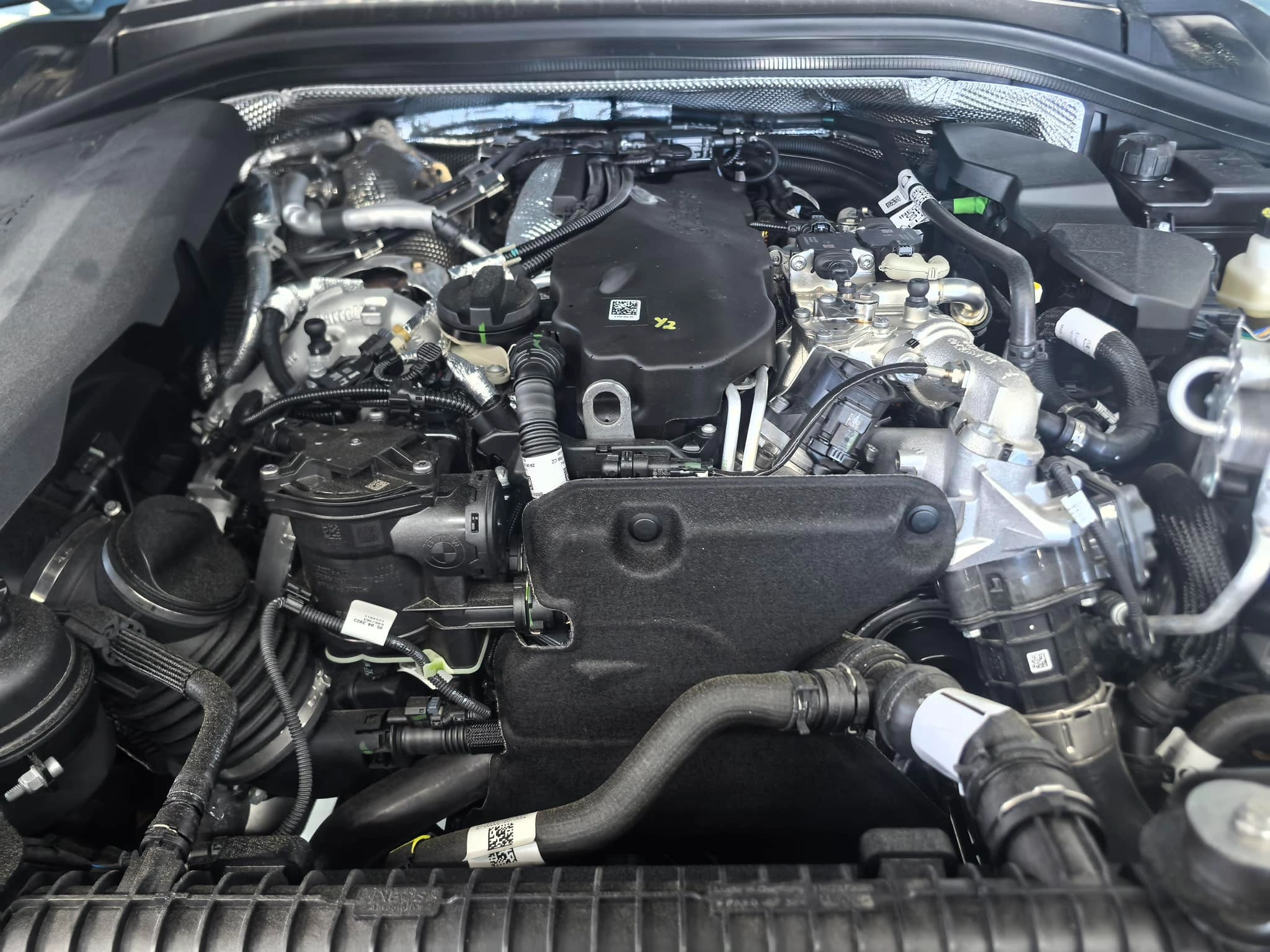
If your BMW isn’t accelerating as it should, it’s a sign that something isn’t quite right under the hood. Common causes include clogged fuel filters, faulty mass airflow sensors, worn spark plugs, or issues with the transmission or turbocharger. These problems can restrict power delivery and affect the vehicle’s overall performance.
At A&B Import Auto, our certified technicians specialize in servicing BMWs, using advanced diagnostics to pinpoint the root cause of sluggish acceleration. Whether it’s a simple tune-up or a more complex engine issue, we ensure your vehicle delivers the smooth, powerful performance it was engineered for. If you notice hesitation or loss of power when accelerating, schedule a professional inspection with us today.
Why Your BMW Is Not Accelerating Properly: Common Causes and Solutions
1. Fuel System Problems
A restricted fuel supply is one of the most common reasons for poor acceleration. The fuel system must deliver the correct amount of gasoline to the engine for efficient combustion. If the fuel filter, pump, or injectors become dirty or clogged, it can cause power loss and sluggish performance. Regular maintenance helps ensure proper fuel delivery and smooth acceleration.
2. Air Intake and Filter Issues
Your engine needs a precise balance of air and fuel to perform at its best. A clogged air filter can limit airflow, creating an improper mixture that reduces engine power and fuel efficiency. A malfunctioning mass airflow sensor can also cause hesitation or jerky acceleration by sending incorrect data to the engine control unit. Cleaning or replacing these components during routine service restores performance and fuel economy.
3. Transmission Problems
Transmission issues can cause your BMW to struggle when accelerating, even if the engine runs smoothly. Low or dirty transmission fluid can prevent proper gear engagement and lead to slipping or delayed shifts. Vehicles with automatic or dual-clutch transmissions may experience hesitation due to worn components or software faults. Regular transmission service helps maintain smooth gear changes and responsive acceleration.
4. Faulty Sensors or Electronics
Modern BMW models depend on electronic sensors to control engine performance. If sensors like the throttle position or oxygen sensors fail, they can cause poor throttle response or weak acceleration. Faulty readings from these components can confuse the engine computer and reduce power output. Professional diagnostics can pinpoint sensor issues to restore proper communication and performance.
5. Exhaust Restrictions
A blocked or damaged exhaust system can make your BMW feel slow and unresponsive. When the catalytic converter becomes clogged, it creates backpressure that restricts exhaust flow and engine efficiency. This condition forces the engine to work harder and reduces overall performance. Routine inspections can identify exhaust restrictions early and help prevent costly damage.
6. Turbocharger Issues
Many BMW engines use turbochargers to boost power and efficiency. When the turbo system develops leaks, worn parts, or control failures, the engine may lose boost pressure and feel underpowered. Signs include slow acceleration, whining noises, or excessive exhaust smoke. Regular inspection and timely service can prevent turbo failure and maintain engine performance.
7. Ignition System Failures
The ignition system provides the spark needed for each cylinder to fire correctly. Worn spark plugs or faulty ignition coils can lead to misfires, rough idling, and loss of acceleration. These problems often occur as parts age and lose efficiency. Replacing ignition components during scheduled maintenance keeps the engine running strong and responsive.
8. Limp Mode Activation
When a serious fault occurs, your BMW may enter limp mode to protect critical components. This safety feature limits power and prevents further damage until the issue is diagnosed and repaired. Common causes include transmission, turbocharger, or sensor problems. Prompt attention from a qualified technician is essential to restore full power and ensure safe driving conditions.
Preventive Maintenance Tips to Keep Your BMW Accelerating Smoothly
Preventive care is key to maintaining your BMW’s performance and avoiding sudden acceleration problems. Regular inspections and timely servicing ensure every component from the fuel system to the transmission functions at its best. Here are essential tips every BMW owner should follow!
1. Replace Filters on Schedule
Air and fuel filters are essential for maintaining proper airflow and fuel delivery. Replacing them at the recommended intervals helps prevent buildup that can restrict performance. Clean filters allow the engine to operate smoothly and efficiently. Staying consistent with BMW repair and maintenance keeps your vehicle responsive and prevents sluggish acceleration.
2. Use High-Quality Fuel and Fluids
BMW engines perform best when fueled with premium gasoline and factory-recommended fluids. Using low-quality products can cause carbon buildup and reduce engine efficiency. Regular oil changes and proper fluids protect vital components from wear. Following professional service standards ensures optimal performance and long-term engine health.
3. Keep the Ignition System in Check
The ignition system plays a vital role in smooth engine operation and acceleration. Spark plugs and ignition coils should be inspected and replaced as part of regular upkeep. Faulty or worn parts can cause misfires and uneven power delivery. Routine tune-ups help maintain strong combustion and improve fuel efficiency.
4. Monitor Warning Lights and Performance Changes
Dashboard warning lights are early indicators of potential problems. If the check engine light appears or the car feels less powerful, it’s important to have it checked immediately. Ignoring these signs can lead to more serious mechanical issues. Prompt auto repair helps identify and resolve problems before they become costly.
5. Service the Transmission Regularly
A healthy transmission is key to smooth shifting and consistent acceleration. Transmission fluid should be changed regularly to maintain proper lubrication and hydraulic function. Neglecting service can lead to gear slipping or hesitation during driving. Including transmission care in your BMW repair schedule helps preserve performance and reliability.
Trust A&B Import Auto for Expert BMW Repair
When your BMW stops accelerating as it should, it’s not just an inconvenience, it’s a sign that something vital needs attention. From complex electronic diagnostics to fuel and transmission repairs, A&B Import Auto specializes in BMW repair and maintenance using advanced tools and factory-grade parts. Schedule an appointment today!