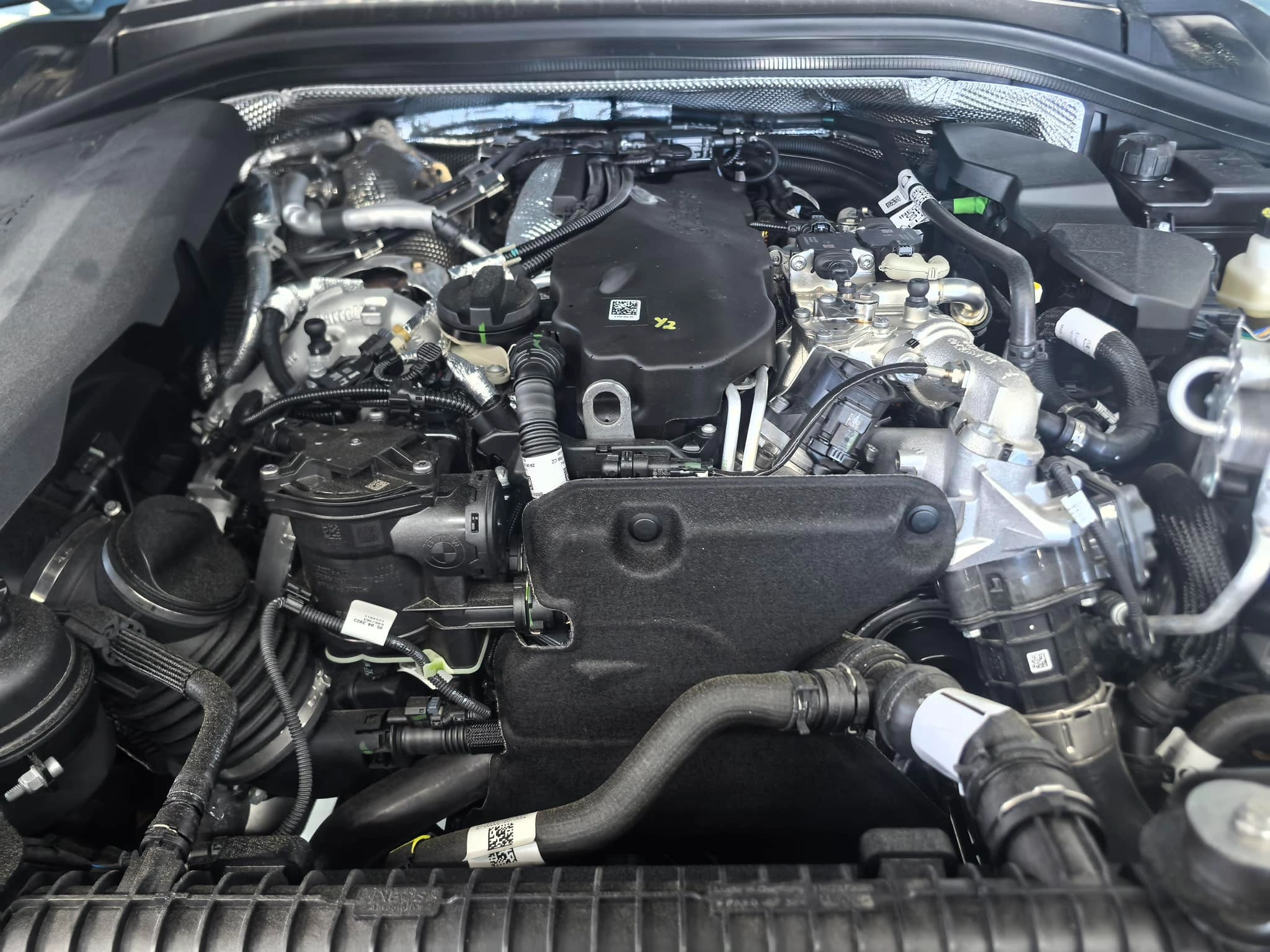
Fort Collins winters can be punishing. When temperatures drop into the teens overnight and you walk out to a Subaru that cranks and cranks before finally firing up, it is easy to wonder whether something is seriously wrong. The truth is, cold hard starts in Subaru vehicles are one of the most common complaints our technicians hear every single winter, and the causes range from simple and inexpensive to issues that need immediate attention. The important thing is knowing the difference before a minor inconvenience turns into a roadside breakdown.
At A&B Import Auto, Fort Collins’s trusted import auto repair shop, we have been diagnosing and fixing Subaru cold start problems for decades. Our ASE-certified technicians specialize in Japanese vehicles and understand exactly what makes these engines tick in Northern Colorado’s harsh winters. In this guide, we walk you through the most likely causes of a hard-starting Subaru when temperatures fall, and what you should do about each one.
Common Causes of Hard Cold Starts in a Subaru
A Subaru that starts fine on a warm afternoon but struggles on a frigid morning is not just battling the cold, something specific is making that start harder than it should be. Here are the most frequent culprits our technicians find during Subaru cold-start diagnostics in Fort Collins.
1. A Weak or Failing Car Battery
The battery is the first thing to suspect when any vehicle starts hard in the cold. Cold temperatures slow down the chemical reaction inside a battery, reducing its ability to deliver the burst of power your starter motor needs. A battery that tests at 70% capacity on a warm day might drop below 50% when it is 15 degrees outside. Subaru models with older batteries or batteries that were never quite the right size for the climate are especially vulnerable. If your Subaru takes three or four attempts to start on cold Fort Collins mornings but fires right up once the weather warms, a failing battery is a very likely cause. A simple battery load test can confirm whether yours still has what it takes.
2. Degraded Engine Oil
Oil thickens in cold weather. If your Subaru is running oil that is past its service interval, or if you are using the wrong viscosity grade for Colorado winters, that thick oil creates enormous resistance inside the engine on startup. Your starter motor has to work much harder, the engine cranks more slowly, and the spark plugs have to fire in a cylinder that is taking longer than normal to reach ignition pressure. Subaru recommends specific oil viscosities for cold-weather operation typically a 0W-20 or 5W-30 depending on the model and year and using a heavier conventional oil in a Northern Colorado winter can noticeably worsen cold starts. Regular oil changes with the correct grade are one of the simplest ways to protect your Subaru’s cold-weather performance.
3. Faulty Fuel Injectors or Low Fuel Pressure
Subaru engines rely on precise fuel delivery to start cleanly. When an injector is partially clogged or leaking down, a condition where fuel bleeds back into the fuel rail after the engine shuts off, the engine has to crank longer on startup to rebuild adequate fuel pressure before combustion can happen. Cold temperatures make this worse because fuel atomizes less efficiently at low temperatures, meaning the engine needs an even richer mixture to ignite. If you notice your Subaru cranks for two or three seconds before catching, or if it starts rough and stumbles before smoothing out, fuel delivery is a strong suspect. A fuel system inspection can identify leaking injectors or a faulty fuel pressure regulator before the problem worsens.
4. Worn Spark Plugs
Spark plugs have a harder job on cold mornings. The engine is cold, the fuel mixture is richer, and cylinder pressures are harder to build quickly. A spark plug that is worn, fouled with carbon, or simply past its replacement interval fires inconsistently under these demanding conditions. Subaru vehicles typically specify iridium or platinum plugs with service intervals anywhere from 30,000 to 60,000 miles depending on the model. If your plugs are due or overdue, cold mornings in Loveland or Greeley will reveal their weakness before any other driving condition will. Replacing worn plugs is one of the highest-impact tune-up services for cold start improvement.
5. A Failing Coolant Temperature Sensor
Your Subaru’s engine control unit (ECU) relies on the coolant temperature sensor to know how cold the engine is so it can command the correct fuel mixture for startup. If that sensor is sending inaccurate readings telling the ECU the engine is already warm when it is actually ice cold the computer delivers too little fuel and the engine struggles to start. This is a sneaky cause of hard cold starts because the car might run perfectly fine once it gets going, and no obvious symptoms appear during normal driving. A check engine light may or may not be present. Proper electrical diagnostics can quickly identify a sensor sending bad data.
6. Problems with the Positive Crankcase Ventilation (PCV) System
Subaru’s horizontally opposed “Boxer” engine layout makes it particularly susceptible to oil contamination in the PCV system. Over time, moisture and blow-by gases can accumulate in the intake, creating a sticky residue on intake valves that interferes with airflow and fuel mixture at startup. On a cold morning, this residue is even harder for the incoming air-fuel mixture to displace, which can cause rough, hesitant cold starts. Subaru owners in Fort Collins who drive shorter trips where the engine never fully reaches operating temperature are especially prone to this type of buildup.
What to Do When Your Subaru Hard-Starts in Cold Weather
Knowing the causes is useful, but taking the right steps at the right time is what protects your engine and keeps you from being stranded on a cold Prospect Road morning. Here is how to respond smartly when your Subaru is fighting the cold.
1. Get a Battery Test First
Before assuming anything complex is wrong, start with the simplest and most common cause. A battery load test takes about five minutes and will tell you definitively whether your battery can still deliver the cold cranking amps your Subaru requires. Most batteries that struggle with Colorado winters are three to five years old. If yours is in that range, a proactive replacement before winter can prevent a no-start situation entirely. Our team can test and replace your car battery quickly so you are not caught off guard when a cold snap arrives.
2. Use the Correct Oil Viscosity for Northern Colorado Winters
Check your owner’s manual for the recommended oil viscosity for cold-weather operation. If you are running a heavier oil that was fine in a milder climate, switching to the manufacturer-recommended winter grade can make a noticeable difference in how quickly your Subaru cranks and catches on cold mornings. Synthetic oils also perform significantly better than conventional oil at low temperatures because they do not thicken as severely. Talk to a technician about whether your current oil choice is the best fit for Fort Collins winters.
3. Do Not Ignore Check Engine Lights
A check engine light that appears alongside a hard cold start is your Subaru’s ECU telling you it has detected a problem. Codes related to the coolant temperature sensor, oxygen sensors, fuel trim, or evaporative emissions system are all worth reading immediately. Ignoring a check engine light and hoping it resolves on its own rarely ends well, especially heading into a Northern Colorado winter. A proper diagnostic scan takes the guesswork out of the situation entirely.
4. Stick to Your Subaru’s Maintenance Schedule
Many cold-start problems are really deferred maintenance problems that cold weather simply brings to the surface. Spark plugs past their service interval, a dirty air filter restricting airflow, old coolant that no longer protects against freezing, and a clogged fuel filter all contribute to harder cold starts. Following Subaru’s recommended service schedule, and adapting it for the demands of Colorado’s altitude and temperature swings, keeps all these systems in the condition they need to be in to start reliably at 10 degrees.
5. Have It Diagnosed Before It Gets Worse
A hard cold start that happens once or twice a week has a way of becoming a no-start by February. If your Subaru is already showing signs of struggling in the cold, the smartest move is to bring it in for a cold-start diagnostic before the temperature drops further. Our technicians can replicate cold-start conditions, run fuel pressure tests, scan for codes, and inspect the ignition and charging systems to find exactly what is causing the problem. Catching it early is almost always faster and less expensive than dealing with the consequences of a complete failure.
Trust A&B Import Auto for Subaru Repair in Fort Collins, CO
Cold mornings in Fort Collins, Loveland, Windsor, and Greeley do not give your Subaru any mercy, and a hard-starting vehicle is a warning you should not set aside. Whether the problem is a battery nearing the end of its life, a fuel injector not holding pressure, worn spark plugs, or a sensor sending bad data to your ECU, all of these issues are diagnosable and fixable by a shop that knows Subaru vehicles inside and out.
Schedule an appointment today!