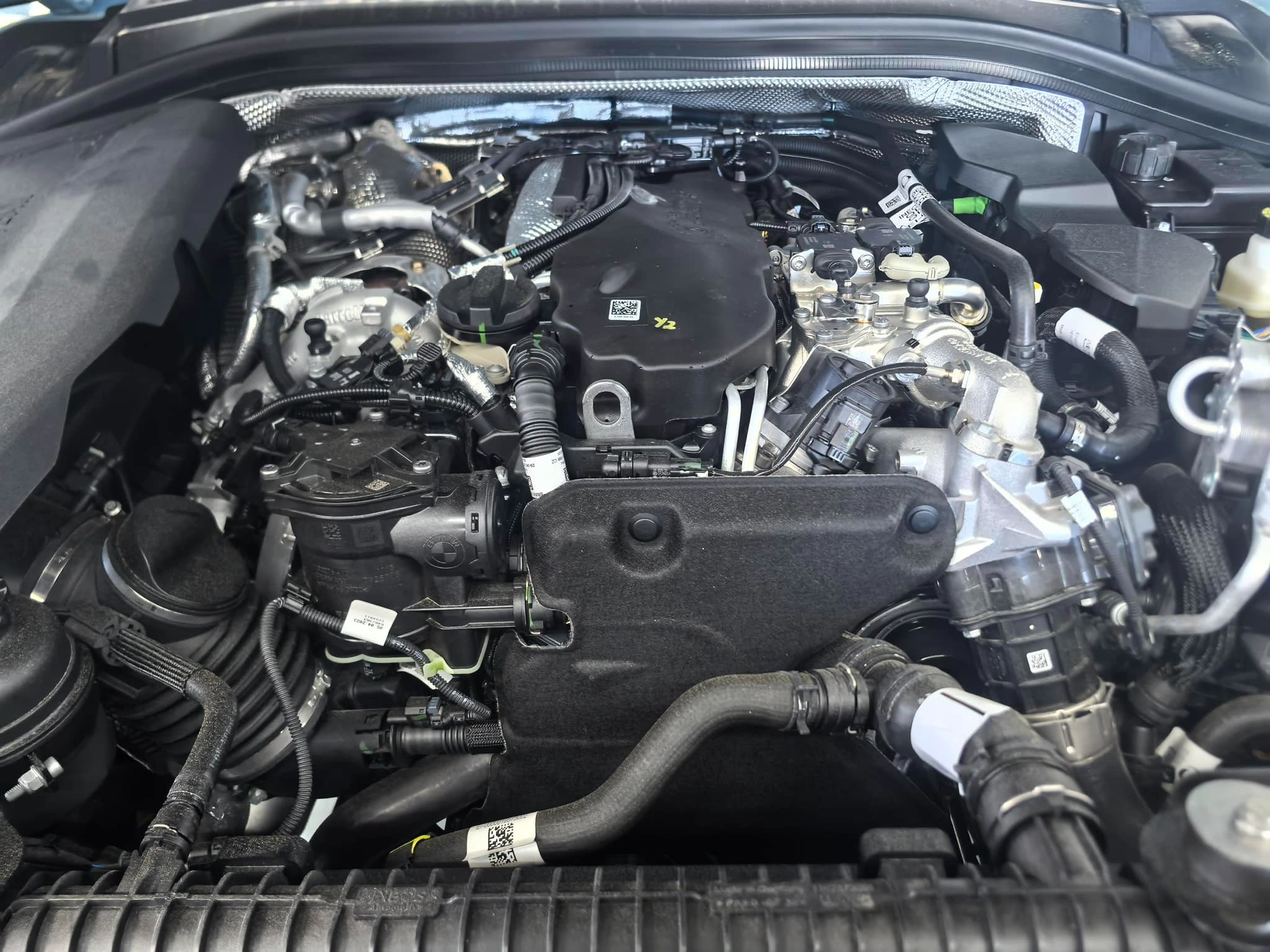
Carbon buildup in Audi engines often leads to rough idling, misfires, and a noticeable drop in performance. You may also experience poor fuel efficiency and sluggish acceleration, especially in turbocharged models. Over time, the check engine light may appear due to intake valve deposits affecting airflow. If left untreated, it can lead to more serious engine damage.
For expert diagnosis and Audi repair, trust the professionals at A&B Import Auto to keep your vehicle running at its best.
What Is Carbon Buildup in an Audi Engine?
Carbon buildup occurs when unburned fuel and oil vapors leave behind carbon deposits on engine components, most commonly on the intake valves. This is especially prevalent in modern Audi engines that use direct fuel injection. While this technology boosts power and efficiency, it also bypasses the intake valves with fuel, meaning there’s no natural “cleaning” process like in older engines.
Over time, these deposits accumulate and start affecting airflow, combustion, and overall engine performance. The result? A noticeable drop in your Audi’s responsiveness and efficiency.
Common Signs of Audi Carbon Buildup
If you live in Colorado, where higher altitudes can already affect engine performance, carbon buildup can sneak up on you even faster. That’s why it’s important to recognize the early signs and seek expert Audi repair from professionals like those at A&B Import Auto. Here are the telltale symptoms!
Loss of Power and Acceleration
If your Audi feels slower than usual, carbon buildup might be to blame. Over time, carbon deposits can block the intake valves, reducing airflow to the engine. This restriction makes the engine work harder, leading to sluggish acceleration. You may notice a lack of response when pressing the gas pedal.
Rough Idle or Engine Misfires
Carbon deposits can disrupt the balance of air and fuel inside the engine. This often causes the engine to idle roughly or misfire, especially when it’s cold or stopped at a light. You might feel the engine shake or hear it sputter. These are signs the engine isn’t running smoothly.
Check Engine Light
Carbon buildup can trigger the check engine light. It usually happens when the engine detects problems like misfires or air/fuel imbalance. A diagnostic scan can help identify the issue. Ignoring the warning could lead to more serious engine problems.
Poor Fuel Efficiency
When airflow is restricted, your engine burns more fuel to maintain performance. This leads to a noticeable drop in fuel economy. You may find yourself filling up more often than usual. Carbon buildup is often the hidden cause behind lower MPG.
Engine Knocking or Ping Noises
Carbon deposits can increase pressure inside the combustion chamber. This causes fuel to ignite too early, resulting in knocking or pinging sounds. These noises can damage internal engine parts over time. Addressing the buildup early helps avoid costly repairs.
Increased Emissions
An engine struggling with carbon buildup burns fuel less efficiently. This leads to more harmful gases being released through the exhaust. In states like Colorado, it could even cause your car to fail an emissions test. Reducing buildup keeps your engine cleaner and more eco-friendly.
What Causes Carbon Buildup in Audis?
Even with proper maintenance, carbon buildup is inevitable in direct injection engines. But some factors can accelerate the problem!
Short Trips or Stop-and-Go Driving
Driving short distances or sitting in traffic often can lead to carbon buildup. That’s because the engine doesn’t get hot enough to burn off deposits. In city environments, this kind of driving is common. Over time, it contributes to dirty intake valves and reduced engine performance.
Low-Quality Fuel
Using poor-quality fuel can leave behind more carbon residue. Lower-grade fuel doesn’t burn as cleanly as premium options. This increases the chance of buildup in the combustion chamber and intake system. Sticking to higher-quality fuel can help keep your engine cleaner.
Worn Valve Seals or PCV System Issues
If valve seals or the PCV (positive crankcase ventilation) system are worn, oil can leak into the intake. This oil burns and leaves carbon behind. Over time, it coats the valves and affects airflow. Replacing worn components can help prevent this problem.
Delaying Regular Oil Changes
Skipping oil changes causes oil to break down and become dirty. Dirty oil doesn’t protect engine parts as well and can lead to more carbon buildup. Old oil may also allow more blow-by gases and sludge to enter the intake system. Sticking to the recommended oil change schedule helps keep your engine running clean.
Why Colorado Drivers Trust A&B Import Auto for Audi Repair
We understand the unique challenges Audi owners face in Colorado’s driving conditions. From altitude changes to seasonal driving, your car needs expert attention to stay healthy. At A&B Import Auto, our certified technicians use dealer-grade tools and years of hands-on experience to diagnose and repair carbon buildup and other common Audi issues.
We’re proud to serve the Audi community across Colorado with honest assessments, transparent pricing, and precision work that stands the test of time. Schedule your appointment today and restore the performance your Audi was built for.