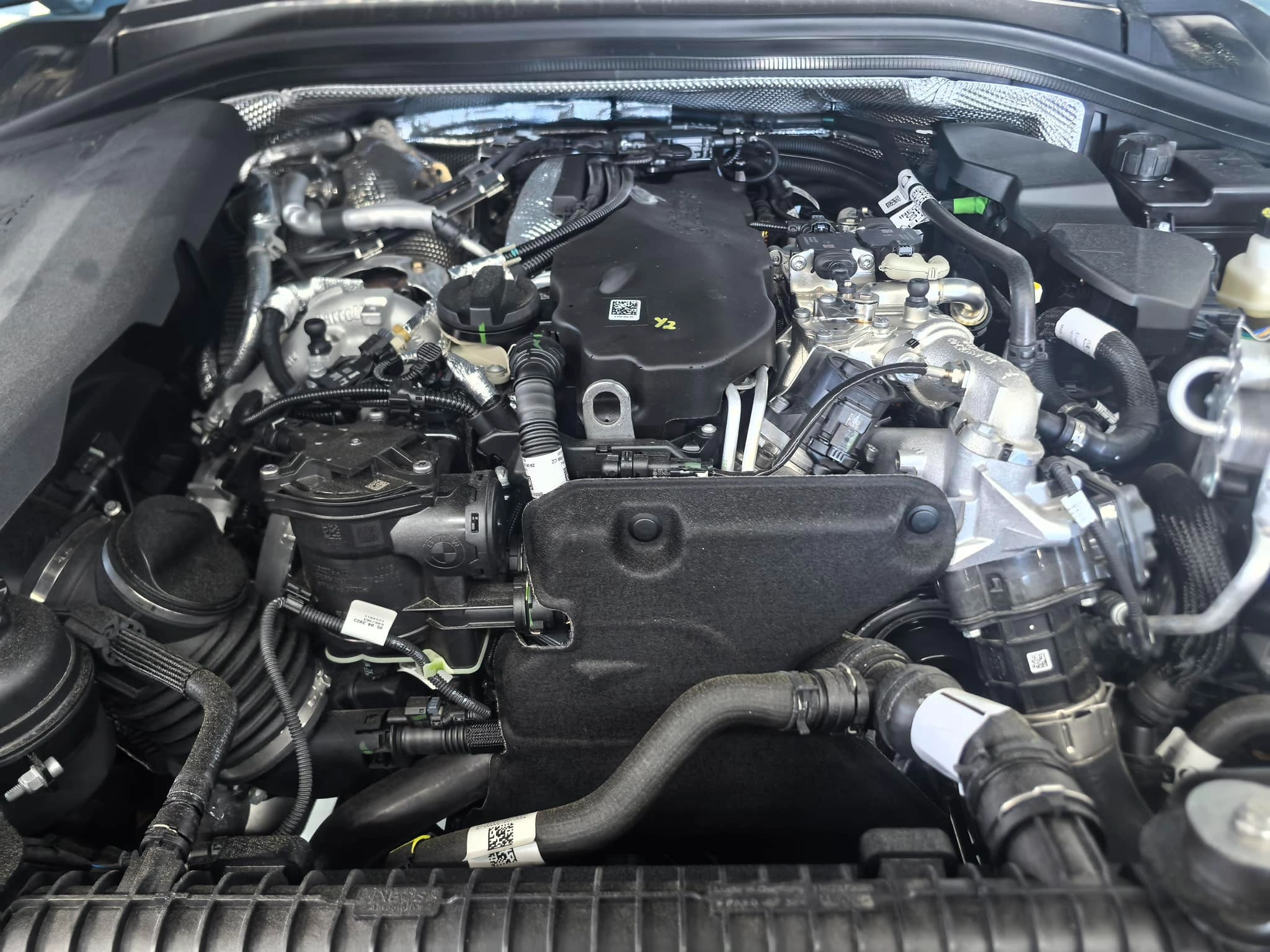
One crucial component often overlooked is the engine oil level sensor. This sensor plays a vital role in monitoring oil levels to ensure your engine runs smoothly and stays properly lubricated. But like any part, it can fail over time, leading to inaccurate readings, warning lights, or even engine damage if ignored.
At A&B Import Auto, we specialize in professional BMW repair and diagnostics. Whether you’re noticing inconsistent oil level readings or a persistent dashboard warning, our certified mechanics can pinpoint and resolve the issue before it leads to bigger problems.
What Is the BMW Engine Oil Level Sensor?
The engine oil level sensor is an electronic device located near the bottom of your BMW’s oil pan. It constantly monitors the level and, in some models, the condition (temperature and quality) of the engine oil. This information is sent to your vehicle’s onboard computer, which then alerts you if oil is low or due for a change.
When this sensor malfunctions, it may give false readings, leaving you uncertain whether your BMW has the correct amount of oil, an issue that can lead to engine damage if ignored.
Common Signs of a Failing Oil Level Sensor
Let’s break down the most common symptoms BMW drivers experience when this sensor begins to fail.
1. Inconsistent Oil Level Readings
One of the first signs of a failing oil level sensor is fluctuating oil readings. You may see a low oil warning when you start the car, but the message disappears after a short drive. This inconsistency can be confusing and misleading. It’s often the first clue that your oil sensor isn’t working properly.
2. Oil Light Stays On
If your oil light stays on even after topping off or changing the oil, the sensor could be faulty. BMWs are known for their precision, so any warning light should be taken seriously. A faulty sensor might be giving false alerts. However, it could also indicate oil pressure issues or a leak.
3. Delayed or No Oil Warnings
Sometimes a bad sensor won’t alert you at all, even when oil levels are dangerously low. This puts your engine at serious risk without any warning signs. If your car runs hotter than normal, feels sluggish, or makes knocking sounds, low oil might be the cause. Always have your sensor checked during regular maintenance.
Causes of Oil Level Sensor Failure
Understanding why this component fails can help prevent future problems. Common reasons include the following!
1. Aging Sensor
Over time, the oil level sensor in your BMW can wear out. Constant exposure to high engine temperatures and oil can slowly degrade its internal components. As the sensor ages, it may stop working properly or give false readings. Replacing it is often the only solution when this happens.
2. Contamination
Dirty engine oil or sludge buildup can affect how the sensor works. When thick sludge coats the sensor, it may not detect oil levels correctly. This leads to inaccurate or fluctuating oil warnings. Regular oil changes help prevent this kind of sensor contamination.
3. Electrical Issues
The sensor relies on electrical wiring to send data to your car’s ECU. If the wiring harness gets damaged or corroded, the signal may be interrupted. This can cause the system to think the sensor has failed or give inaccurate readings. Inspecting and repairing the wiring can often fix the issue.
4. Physical Damage
The oil level sensor is located in a vulnerable spot near the oil pan. It can get damaged by road debris or during an improper oil change. If the sensor gets cracked or broken, it won’t function at all. In this case, the only fix is replacing the damaged sensor.
How to Confirm It’s the Sensor and Not Something Else
If you’re experiencing oil level warning issues, the first step is confirming whether it’s truly the sensor. Here’s how we typically approach the diagnosis at A&B Import Auto:
1. Visual Inspection
The first step is to look at the sensor and surrounding area. We check for signs of oil leaks that could affect the sensor’s performance. Loose or damaged wiring and corrosion at the connector are also inspected. These small issues can often cause sensor problems.
2. Diagnostic Scan
Next, we connect a scan tool to your BMW’s computer system. This allows us to read any fault codes that have been stored. These codes help identify if the oil level sensor is malfunctioning or if there’s another related issue. It’s a fast and accurate way to narrow down the problem.
3. Oil Quality Check
Some BMW sensors measure not just oil level, but also oil condition. If the oil is too dirty or degraded, it can trigger a warning. That’s why we test the actual oil during diagnostics. Poor oil quality might be the root of the sensor alert.
4. Sensor Testing
Finally, we test the sensor directly using tools like multimeters. This helps us check the voltage and output signals from the sensor. If the readings are off, it confirms the sensor isn’t working properly. At that point, replacement is usually needed.
Preventing Future Issues
Here are a few simple steps to help extend the life of your BMW’s oil level sensor and overall engine health!
1. Regular Oil Changes
Changing your oil on time helps keep the sensor clean and functioning properly. Always use the correct grade of synthetic oil recommended for your BMW. Clean oil prevents sludge buildup that can affect sensor accuracy. Sticking to a regular maintenance schedule reduces the risk of sensor failure.
2. Check for Leaks
Oil leaks can cause more than just a mess—they can lead to serious engine problems. If the sensor doesn’t get enough oil, it may give false readings or stop working. Regularly check for oil spots under your car or around the engine. Catching a leak early can protect both your engine and the sensor.
3. Use OEM Parts
Not all sensors are made the same. Aftermarket parts may be cheaper, but they often fail sooner or give unreliable readings. Using Original Equipment Manufacturer (OEM) or OE-grade parts ensures better fit and long-term performance. Investing in quality parts helps prevent repeat issues.
4. Routine Diagnostics
Even if your car seems fine, it’s smart to do periodic diagnostic checks. Some sensor problems won’t trigger warning lights right away. A scan can detect early signs of trouble before they become bigger problems. Routine checks help keep your BMW running smoothly and reliably.
Choose A&B Import Auto for BMW Repair
A failing oil level sensor may seem like a small issue, but in a BMW, it’s critical to engine protection. Don’t wait for engine damage or performance issues to escalate. If you’re seeing irregular oil level messages or your oil light won’t go away, it’s time to let a BMW expert take a closer look.
Schedule your BMW repair appointment today at A&B Import Auto—where precision meets professionalism. Let us help you keep your BMW running smoothly for years to come.