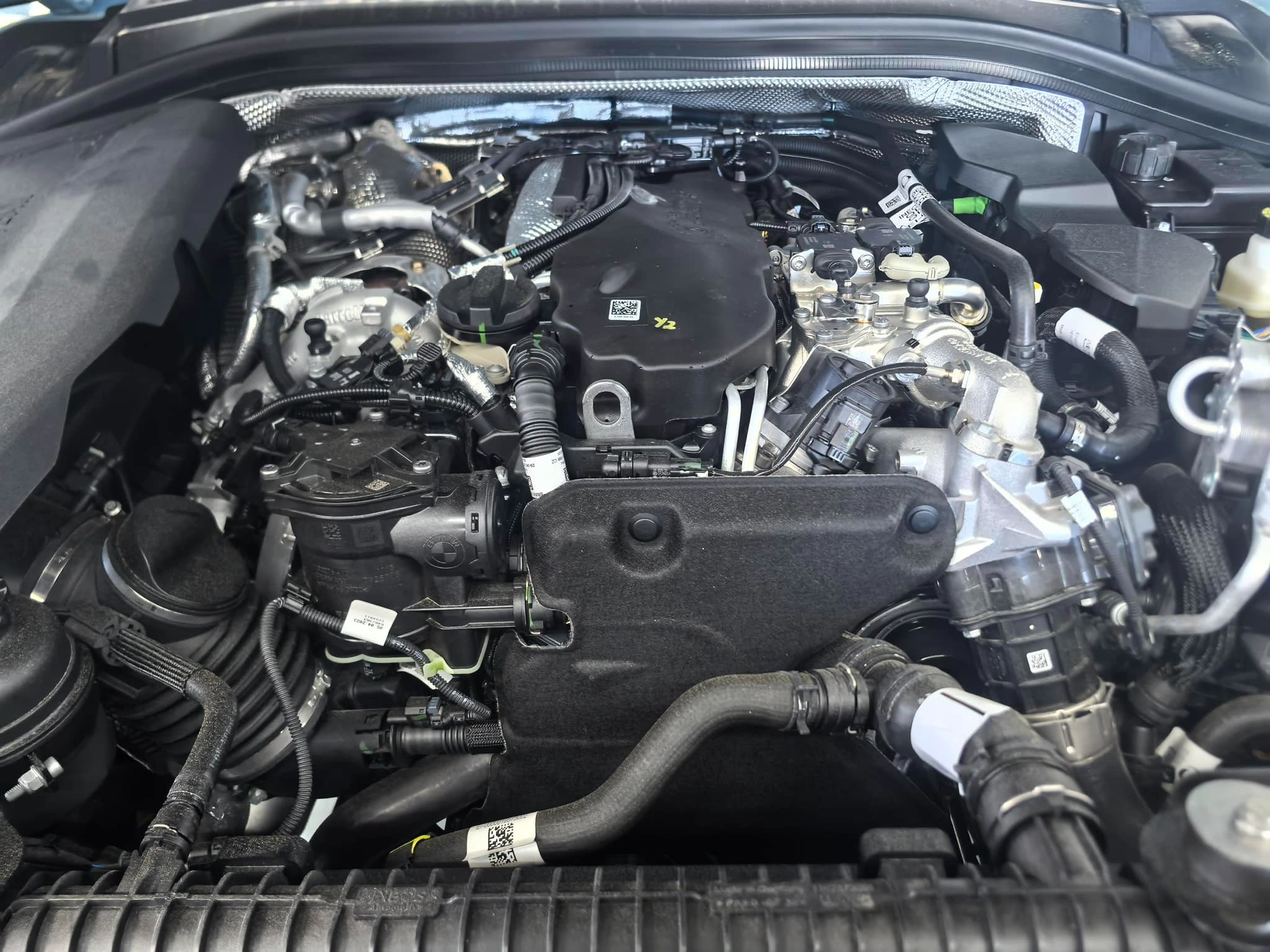
A worn drive belt in your BMW can lead to serious engine problems if not addressed promptly. The drive belt, also known as the serpentine belt, powers essential components like the alternator, power steering pump, and air conditioning. Over time, exposure to heat, tension, and general wear can cause cracks, fraying, or glazing, which compromise your BMW’s performance and reliability. Recognizing the signs early allows for timely replacement, preventing costly repairs down the road.
For professional inspection and replacement, A&B Import Auto provides expert BMW repair services, ensuring your vehicle maintains optimal performance and longevity.
Common Signs of a Worn Drive Belt
Recognizing early symptoms of a worn drive belt can save both time and money. Here are the most common indicators!
1. Squealing or Chirping Noises
A high-pitched squeal from the engine bay, especially during startup or acceleration, often points to a loose or worn drive belt. This occurs when the belt slips on pulleys or has small cracks that interrupt smooth movement. If ignored, it can affect other engine components. Early attention can prevent more serious problems.
2. Visible Cracks or Fraying
Inspecting the belt under the hood can reveal signs of wear such as cracks along the ribs or frayed edges. Pieces of rubber may even be missing. These issues indicate the belt is no longer structurally sound. Replacing it promptly ensures the engine continues running smoothly.
3. Glazing or Shiny Appearance
A belt that appears glossy or shiny on the ribbed side has likely been overheating or slipping. This reduces friction, making it harder to drive essential engine accessories. Over time, this can affect components like the alternator or water pump. Replacing a glazed belt helps maintain proper engine function.
4. Engine Overheating or Electrical Issues
The drive belt powers components such as the water pump and alternator. When it fails, overheating or electrical problems can occur. Warning lights, dim headlights, or erratic instrument readings are signs to check the belt. Addressing these issues quickly protects the engine from further damage.
5. Loss of Power Steering
A failing belt can make steering feel stiff or less responsive in vehicles with hydraulic power steering. This is a serious concern for safe driving. Without proper belt function, steering performance can be compromised. Timely inspection helps maintain smooth steering control.
6. Belt Slippage or Noise During Acceleration
Hesitation during acceleration or intermittent squealing under load can indicate belt slippage. This usually results from wear or improper tension. Slipping belts reduce engine efficiency and put extra strain on other components. Checking belt tension and condition helps prevent these problems.
7. Pulley Damage
Worn belts can also damage the pulleys they interact with. Pulley issues, such as wobbling or uneven wear, can lead to faster belt failure. Inspecting both the belt and pulleys during routine service is important. Proper maintenance extends the life of these engine components.
Preventive Maintenance for Your BMW Drive Belt
Proactive maintenance reduces the risk of unexpected belt failure. Implementing the following measures helps preserve your BMW’s performance!
1. Follow Factory Replacement Intervals
Drive belts should be inspected regularly and replaced according to the manufacturer’s recommended schedule. For most models, this is around 60,000 to 100,000 miles, depending on driving conditions. Following these intervals helps prevent unexpected engine problems. Staying on schedule ensures the belt continues to operate reliably and safely.
2. Regular Visual Inspections
During routine service or oil changes, have the belt checked for signs of wear. Look for cracks, glazing, fraying, or other damage that may indicate replacement is needed. Catching problems early prevents more extensive engine repairs. Regular inspections keep the belt functioning efficiently over time.
3. Check Tensioners and Pulleys
A worn tensioner or misaligned pulley can reduce the life of a new belt. These components should be included in every inspection. Ensuring proper alignment and tension prevents slipping and uneven wear. Checking them regularly keeps the drive system operating smoothly.
4. Avoid Contaminants
Oil, coolant, and debris can damage the belt and reduce its lifespan. Keep the belt area clean and free from fluid leaks. Contaminants can cause slipping or premature cracking. Maintaining a clean engine bay protects the belt and other components.
5. Listen for Unusual Noises
Squealing or chirping sounds from the engine may indicate belt issues. These noises can signal the need for tension adjustment or replacement. Detecting problems early prevents damage to other engine components. Paying attention to sounds helps maintain smooth performance and safety.
Expert BMW Repair at A&B Import Auto
Monitoring your BMW’s drive belt is crucial to preventing engine problems and maintaining smooth operation. Be attentive to unusual noises, visible wear, and performance issues. Regular inspections and timely replacement are key to keeping your BMW in optimal condition.
At A&B Import Auto, we specialize in BMW repair and maintenance services. Our certified technicians use OEM parts and follow manufacturer guidelines to ensure your BMW continues performing at its peak. From belt inspections to full replacement,