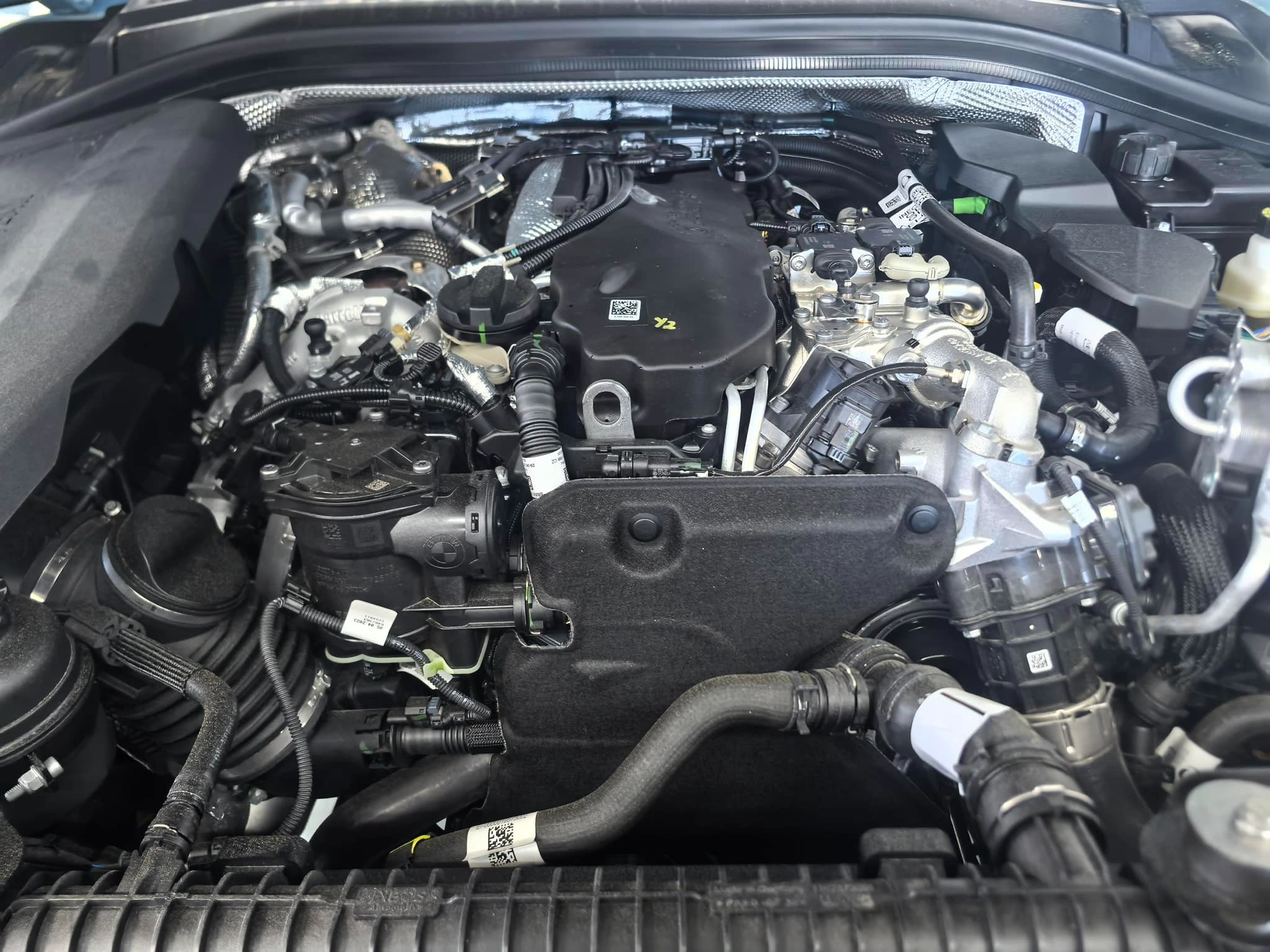
Managing a fleet of vehicles in Colorado isn’t just about keeping them on the road, it’s about understanding the unique needs of your vehicles and ensuring they’re maintained properly. One of the biggest distinctions fleet owners need to make is between diesel and gas vehicles. While both fuel types have their advantages, their maintenance requirements differ significantly.
At A&B Import Auto, we’ve worked with Colorado businesses for years, helping them optimize fleet performance through expert auto repair and preventative maintenance services.
Understanding Diesel and Gas Engines
Before diving into maintenance differences, it’s important to understand how diesel and gas engines fundamentally differ. Gasoline engines rely on spark ignition to ignite the air-fuel mixture, whereas diesel engines use compression ignition, meaning air is compressed to a high pressure and temperature, and then fuel is injected, causing spontaneous combustion. This difference impacts everything from fuel efficiency to wear and tear, and ultimately dictates maintenance schedules.
Diesel engines are known for their longevity and torque, making them ideal for heavy-duty trucks and commercial fleets that haul large loads. Gas engines, on the other hand, are lighter, often cheaper upfront, and better suited for lighter-duty vehicles or smaller fleet operations.
Maintenance Differences Between Diesel and Gas Fleets
1. Oil and Filter Changes
Diesel engines require oil changes more often than gas engines because they operate under higher pressure and temperature. Oil in diesel engines can thicken and form sludge if not changed regularly. Diesel engines usually need oil changes every 7,500 to 10,000 miles, while gas engines can go 5,000 to 7,500 miles. Using the correct oil and filter is essential to prevent engine wear and ensure long engine life.
2. Fuel System Maintenance
Diesel fuel systems are more complex than gasoline systems and require careful maintenance. Diesel injectors and pumps operate at very high pressure and are sensitive to fuel contamination. Diesel fuel filters should be replaced every 10,000 to 15,000 miles to avoid clogging and engine problems. Cold weather can cause diesel fuel to gel, so using additives and keeping fuel tanks clean is important.
3. Cooling and Exhaust Systems
Diesel engines generate more heat than gas engines and need strong cooling systems. Radiators, hoses, and coolant should be checked regularly to prevent overheating. Diesel vehicles also have exhaust systems with filters and additives that require maintenance. Gas engines still rely on cooling systems but are generally less prone to overheating in normal use.
4. Brake and Transmission Considerations
Diesel vehicles are often heavier, which puts extra stress on brakes and transmissions. Brake inspections should be regular to ensure safety and performance. Diesel transmissions may need more frequent service because of higher torque loads. Gas vehicles experience less strain but still need regular fluid changes and inspections for reliability.
5. Cost Implications
Maintaining diesel engines can be more expensive because parts like fuel injectors and turbochargers cost more. Diesel engines can last over 300,000 miles with proper care, offering long-term value. Gas engines are cheaper to maintain in the short term but may need more frequent repairs under heavy use. Choosing between diesel and gas engines involves balancing upfront costs with long-term durability.
6. Scheduling and Preventative Maintenance
Preventative maintenance is key for both diesel and gas fleets to avoid costly downtime. Regular inspections can catch problems before they become major repairs. Diesel fleets often need more checks for fuel systems and exhaust filters. Gas fleets benefit from monitoring spark plugs, air filters, and cooling systems to stay reliable.
Why Colorado Fleets Should Invest in Professional Auto Repair
Colorado’s diverse terrain, from mountain passes to urban streets, places unique demands on vehicle fleets. Altitude, temperature fluctuations, and road conditions can all impact engine performance. Professional auto repair services are crucial for addressing these challenges.
At A&B Import Auto, we’ve seen firsthand how neglecting maintenance can quickly escalate into costly repairs. Our team specializes in both diesel and gas engines, ensuring that every vehicle in your fleet runs efficiently, safely, and reliably.
Track mileage and maintenance intervals
Keeping an accurate log of your vehicle’s mileage helps you stay on top of important maintenance tasks. Regular oil changes, filter replacements, and system checks keep your engine running smoothly. Logging each service ensures you never miss a scheduled maintenance. Proper record-keeping can also improve your vehicle’s resale value and overall reliability.
Use the right fuel and additives
Using high-quality fuel is essential for diesel engines to perform efficiently and last longer. Winter anti-gel treatments prevent fuel from thickening in cold weather and protect your engine. Choosing the correct fuel and additives helps reduce engine deposits and improve performance. Consistently using recommended products can prevent costly repairs and improve fuel economy.
Monitor engine performance
Pay attention to warning lights, unusual noises, or smoke while driving. Early detection of engine problems can prevent breakdowns and expensive repairs. Monitoring performance regularly helps maintain fuel efficiency and engine longevity. Noticing small issues early allows you to address them before they become serious problems.
Work with a trusted repair partner
Regular inspections by certified mechanics keep your vehicle in top condition. Professionals can spot potential issues before they cause downtime. Working with experienced technicians ensures proper maintenance and repairs. Reliable service helps extend engine life and improves overall vehicle safety.
Keep Your Fleet Running Smoothly with A&B Import Auto
Whether your fleet runs on diesel or gas, understanding the specific maintenance needs of each engine type is essential for efficiency, longevity, and cost management. Diesel engines deliver unmatched torque and durability but require specialized care, especially in Colorado’s variable climate. Gas engines may have lower upfront maintenance costs, but they also benefit from attentive care and regular auto repair.
For fleet owners in Colorado, partnering with experts at A&B Import Auto ensures your vehicles get the right service at the right time. From oil changes to fuel system maintenance and exhaust inspections, we help you maximize uptime and minimize unexpected repairs. Schedule your fleet maintenance today!