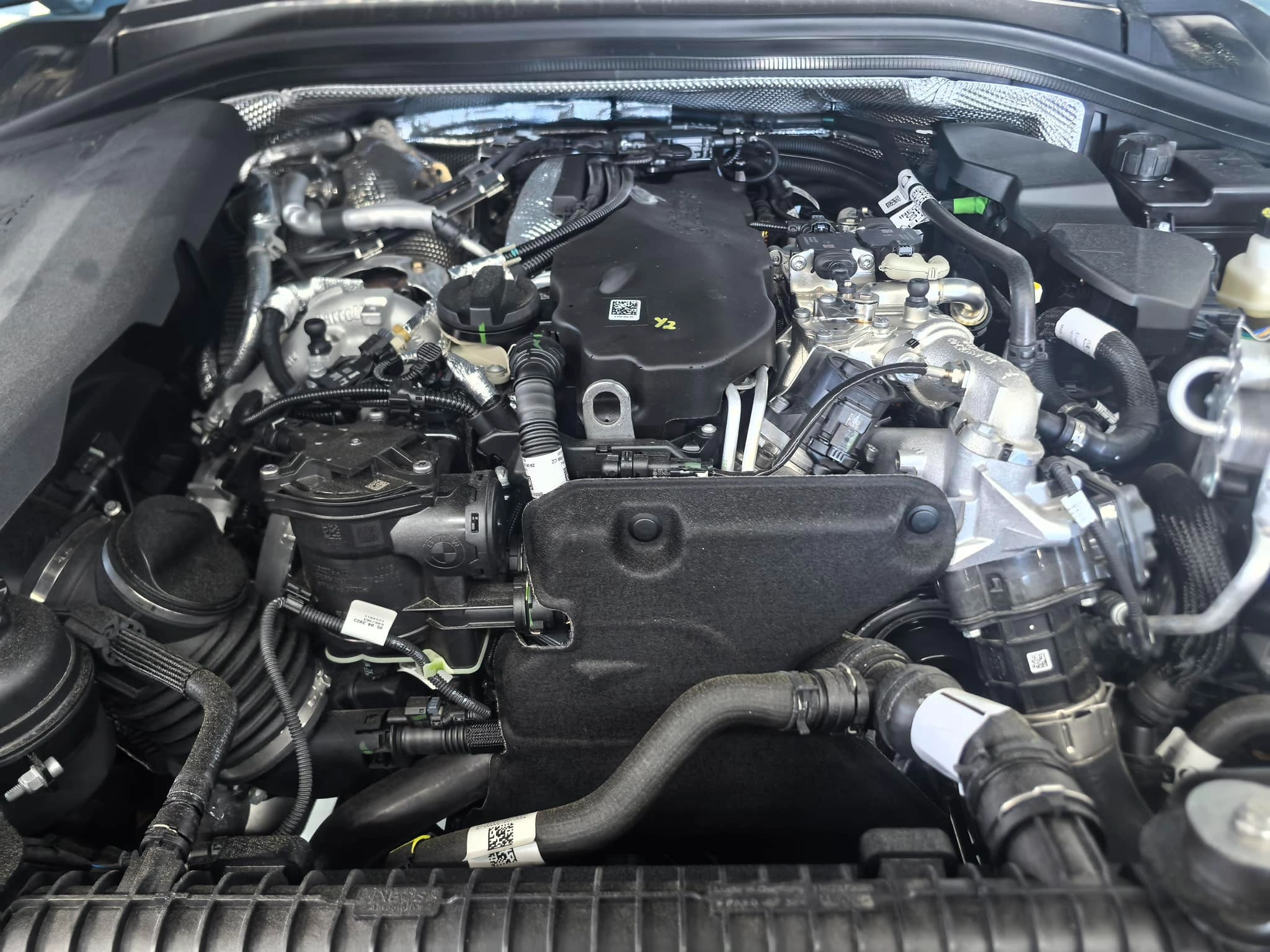
When it comes to owning a BMW, performance and precision are at the heart of the experience. But like any high-performance vehicle, proper care and maintenance are crucial. One of the most common issues BMW drivers face involves the cooling system. If left unchecked, small leaks can quickly turn into big problems that may leave you stranded on the side of the road with an overheated engine. The good news is that diagnosing BMW cooling system leaks early is possible and it can save you money, time, and stress.
At A&B Import Auto, we’ve helped countless BMW owners identify and repair cooling system issues before they escalate. In this article, we’ll break down the signs of leaks, the steps you can take to diagnose them, and why proactive auto repair is the key to keeping your car running smoothly.
Why Cooling System Leaks Matter in a BMW
BMWs are engineered with tight tolerances and advanced systems designed to maximize performance. However, this means the cooling system must always be in peak condition. Even minor leaks can lead to a drop in coolant levels, reduced heat regulation, and eventual overheating. Overheating doesn’t just stop your trip, it can warp cylinder heads, blow gaskets, or even cause full engine failure.
The cooling system is responsible for moving coolant through the engine and radiator, maintaining optimal temperature. When a leak develops, the entire balance is disrupted. Diagnosing issues before they cause overheating isn’t just smart maintenance, it’s essential for protecting your investment.
Common Signs of BMW Cooling System Leaks
Catching leaks early requires paying attention to subtle symptoms. Here are the most common signs BMW owners should watch for!
Low Coolant Warning Light
Modern BMWs are equipped with sensors that will alert you when coolant levels drop below the safe limit. If you see the low coolant warning light, it should not be ignored. This is often one of the earliest signs that your vehicle may have a coolant leak. Quick BMW repair can prevent engine overheating and costly damage.
Visible Coolant Puddles
Another sign of trouble is finding coolant puddles under your BMW after it has been parked. Coolant usually appears as a bright green, pink, or blue liquid on the ground. Even a small puddle can mean that a hose, radiator, or water pump is leaking.
Sweet Smell from the Engine Bay
Coolant has a unique sweet smell that you may notice while driving or shortly after shutting the engine off. If this odor is coming from your BMW, it likely means coolant is escaping. Leaks can come from hoses, the radiator, or other components in the cooling system. Addressing the issue quickly with BMW repair will help protect your engine from overheating.
White Exhaust Smoke
If coolant leaks internally into the engine, it can burn off and produce white smoke from the exhaust. This is a serious sign that your BMW needs immediate attention. Internal coolant leaks can damage the head gasket, engine block, or cylinder head. Getting auto repair right away is crucial to prevent major engine failure.
Fluctuating Temperature Gauge
Your BMW should maintain a steady engine temperature under normal driving conditions. If the temperature gauge climbs higher than usual or moves up and down, it may indicate a hidden coolant leak. Inconsistent readings can mean the cooling system is not working properly. Prompt repair will ensure the cooling system functions correctly and protects the engine.
Preventing Cooling System Problems
The best way to handle a cooling system leak is to prevent it from happening in the first place. Here are a few preventive measures BMW owners should consider.
Stick to Scheduled Maintenance
Auto repair experts recommend following the manufacturer’s service intervals for coolant flushes and inspections. Staying on schedule helps prevent unexpected breakdowns and costly engine damage. A regular coolant flush removes old fluid and replaces it with fresh coolant that protects the engine. Consistent maintenance keeps your BMW running smoothly and extends its lifespan.
Replace Aging Components
Plastic parts like expansion tanks, hoses, and radiators in BMWs can weaken over time. Waiting for them to fail can lead to leaks and overheating. Proactively replacing these parts around 60,000 to 80,000 miles is a smart approach to BMW repair. This preventive step reduces the risk of sudden breakdowns and keeps the cooling system reliable.
Use the Right Coolant
BMW requires using the correct coolant that matches factory specifications. The wrong coolant can cause chemical reactions that lead to corrosion and damage. Always double-check before topping off or refilling your coolant system. Using the approved fluid ensures your engine stays properly protected.
Monitor Your Gauges
Keeping an eye on your temperature gauge and coolant warning lights is an important part of BMW. These signals alert you early if something is wrong with the cooling system. Ignoring them can result in overheating and engine failure. Quick attention to warning signs helps avoid major repairs and keeps your BMW safe to drive.
Why Choose A&B Import Auto for BMW Repair
When diagnosing and repairing BMW cooling system leaks, experience matters. At A&B Import Auto, our technicians specialize in European vehicles, including BMWs. We understand the common weak points in these systems and use advanced diagnostic tools to pinpoint leaks before they cause catastrophic engine damage.
Our team doesn’t just fix the problem, we look for the root cause to ensure it doesn’t come back. Whether it’s a cracked expansion tank, a faulty water pump, or a worn hose, we provide long-term solutions designed to keep your BMW performing as it should. Schedule an appointment today!