For Mercedes-Benz owners, maintaining the engine properly is critical for performance, efficiency, and longevity. One of the most important aspects of this maintenance is replacing the engine oil and filter. Neglecting this routine service can lead to decreased engine performance, increased wear on components, and even major engine damage.
At A&B Import Auto, we focus on precise diagnostics and high-quality service to ensure your Mercedes continues to perform at its peak. Understanding when and why to replace your engine oil and filter is essential for any Mercedes owner.
Why Engine Oil and Filter Replacement Matters
Engine oil serves as the lifeblood of your Mercedes engine. It lubricates moving parts, reduces friction, dissipates heat, and helps prevent corrosion. Over time, oil breaks down due to heat, combustion byproducts, and contaminants such as dirt and metal particles. The engine filter, meanwhile, captures these contaminants to prevent them from circulating through the engine. Failing to replace the oil and filter at the right intervals can result in sludge buildup, reduced efficiency, and increased wear on internal components. Regular replacement keeps your Mercedes running smoothly, enhances fuel economy, and prevents costly repairs down the line.
Manufacturer Recommendations for Mercedes Engine Oil Changes
Mercedes-Benz recommends specific service intervals for oil changes based on the model, engine type, and driving conditions. Generally, newer Mercedes models equipped with advanced engines can go between 10,000 and 15,000 miles before needing an oil change. Older models or vehicles operating under severe driving conditions, frequent short trips, stop-and-go traffic, extreme temperatures, or towing may require oil changes every 5,000 to 7,500 miles. The recommended interval is always listed in your owner’s manual, and following it ensures your vehicle stays under warranty coverage and maintains peak performance.
Signs Your Mercedes Needs an Oil Change
Even if your vehicle has not reached its scheduled mileage, there are warning signs that indicate your engine oil or filter may need attention!
1. Dashboard Warning Lights
The oil level or maintenance indicator on your dashboard may light up when engine oil is low or overdue for service. These warning lights are important signals that your vehicle needs attention. Ignoring them can lead to severe engine damage and costly repairs. Regularly checking the dashboard ensures you address issues before they escalate. Paying attention to these alerts helps maintain optimal engine performance and reliability.
2. Engine Noise or Knocking
Dirty or low oil can fail to properly lubricate engine components. This often causes unusual noises or knocking sounds during acceleration or while idling. Listening for these sounds can help identify potential engine problems early. Addressing lubrication issues promptly protects critical engine parts. Maintaining proper oil levels ensures smooth operation and prolongs engine life.
3. Dark or Contaminated Oil
Fresh engine oil is usually amber in color, but over time it becomes dark and thick. Checking the dipstick regularly allows you to monitor the condition of your oil. Contaminated oil increases friction and can cause internal engine damage. Timely oil changes keep engine parts properly lubricated. Using the correct type of oil supports engine efficiency and long-term durability.
4. Reduced Fuel Efficiency
Old or dirty oil increases friction between engine components. This causes the engine to work harder and reduces fuel efficiency. Maintaining clean oil helps your vehicle perform efficiently. Regular oil changes improve fuel economy and reduce engine strain. Proper lubrication also supports consistent power delivery and overall vehicle performance.
5. Excessive Exhaust Smoke
Smoke coming from the tailpipe, especially blue or gray, can indicate that engine oil is burning. This may result from improper lubrication or oil leaks. Ignoring this issue can lead to serious engine damage over time. Routine maintenance and oil checks help prevent excessive smoke. Ensuring proper oil levels protects the engine and maintains safe operation.
Preventive Maintenance Tips for Mercedes Owners
Regular oil and filter replacement is just one part of comprehensive Mercedes maintenance. To maximize engine longevity and performance, consider these additional preventive measures!
Routine Fluid Checks
Regularly monitoring coolant, brake fluid, transmission fluid, and power steering fluid is essential for vehicle performance. Low or dirty fluids can cause overheating, brake issues, or steering problems. Checking fluid levels ensures all systems operate smoothly. Timely topping off or replacing fluids prevents costly engine or component damage.
Scheduled Inspections
Periodic professional inspections help detect early signs of engine wear or component failure. Technicians can identify leaks, worn parts, or other issues before they become serious. Regular inspections support long-term vehicle reliability and performance. Addressing problems early reduces the risk of expensive repairs.
Monitor Driving Conditions
Driving in extreme heat, cold, or heavy traffic affects vehicle maintenance needs. Adjusting service schedules based on conditions helps protect engine and component longevity. Frequent stop-and-go driving can increase wear on fluids and parts. Monitoring conditions ensures your vehicle remains efficient and reliable.
Use Quality Fuel
Using high-quality fuel helps maintain clean engine combustion. Lower-quality fuel can create deposits that reduce engine efficiency and performance. Quality fuel supports smooth operation and reduces the risk of engine issues. Regular use of premium fuel helps keep the engine running at its best.
Keep the Engine Clean
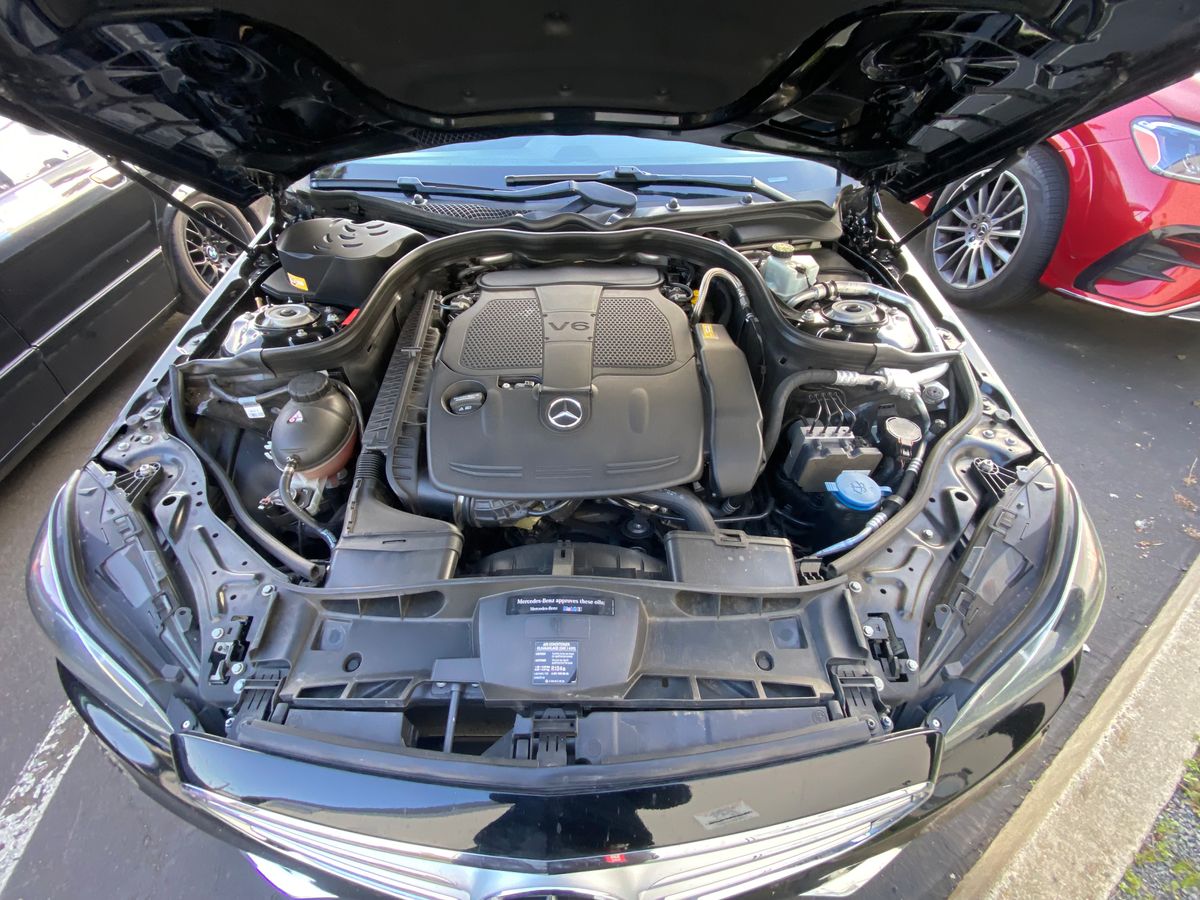
Removing dirt and debris from the engine compartment prevents damage to sensors and other components. A clean engine environment supports proper operation and cooling. Regular cleaning also makes it easier to spot leaks or wear. Maintaining engine cleanliness helps ensure long-term reliability.
Replace Belts and Hoses
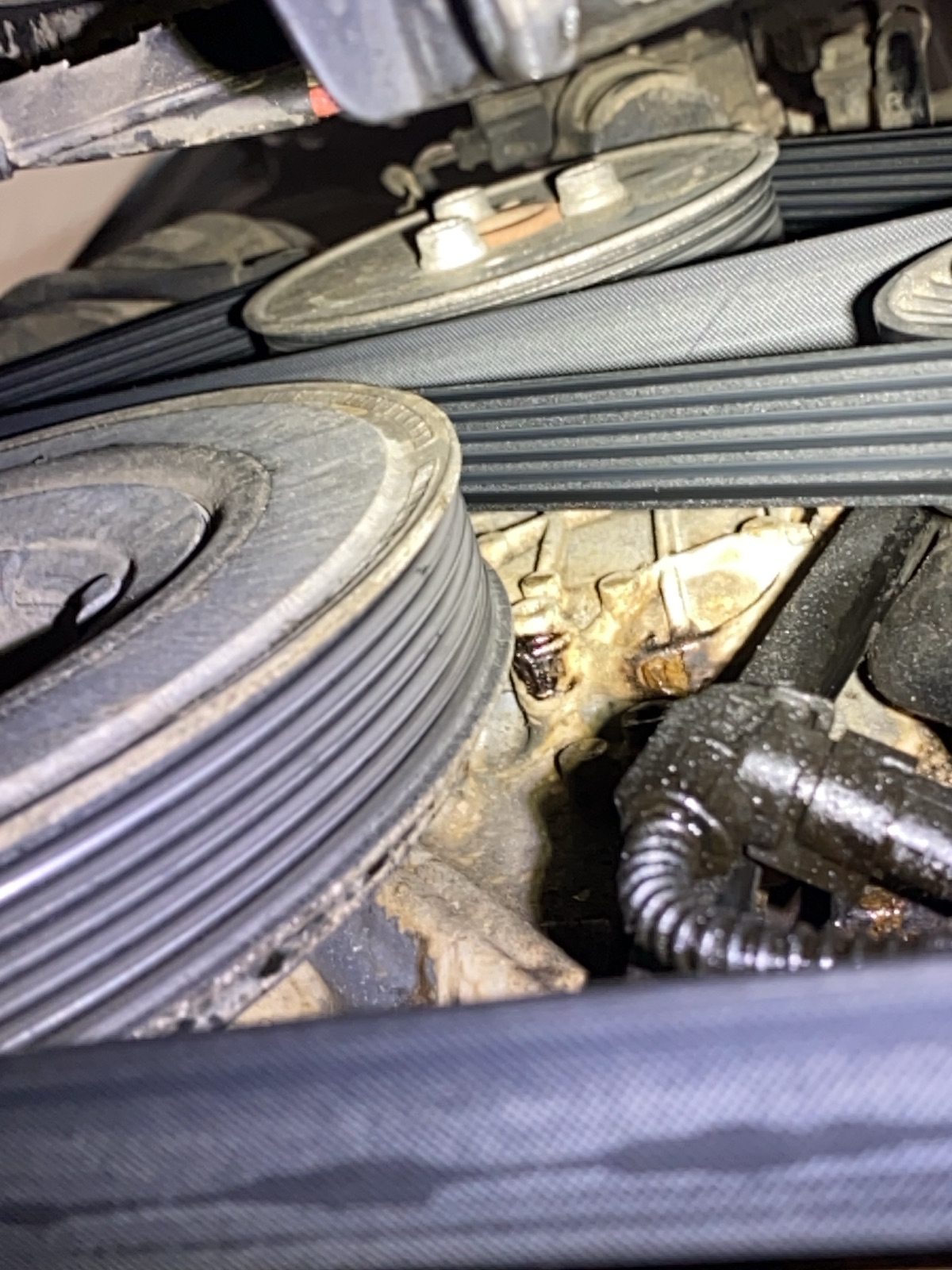
Worn belts and hoses can reduce oil circulation and affect overall engine performance. Inspecting them regularly helps prevent breakdowns or engine damage. Replacing aging components maintains proper fluid flow and engine efficiency. Keeping belts and hoses in good condition supports reliable vehicle operation.
Reliable Mercedes Oil Change Services at A&B Import Auto
Replacing your Mercedes engine oil and filter at the recommended intervals is essential for maintaining engine efficiency, performance, and longevity. By adhering to manufacturer guidelines, monitoring oil quality, and recognizing early warning signs, you can prevent costly repairs and enjoy a smoother driving experience. Regular maintenance combined with quality parts and professional service ensures that your Mercedes remains a reliable, high-performing vehicle.
At A&B Import Auto, we provide expert Mercedes repair services with a focus on preventive care, ensuring your car performs at its best for years to come. Schedule an appointment today!