A&B Import Auto—Trusted Auto Repair Experts Serving Fort collins, CO
We’re your premier destination for automotive repair and maintenance services in Fort Collins, CO, and surrounding areas!
1943 E Lincoln Ave
970-221-4700
Get an estimate
An affordable dealer alternative
Serving Fort Collins, Loveland, & Northern Colorado since 1984
When you bring your car, truck, or SUV to A&B Import Auto Repair in Fort Collins, Colorado, you can expect the highest quality of customer service and care from a local, family-owned, independently-operated foreign auto repair shop with over 35 years of experience. We have a high degree of technical expertise combined with a longstanding reputation for integrity, honesty and genuine respect for our customers. We have very high standards and are proud of the quality of our mechanics and our work; and we stand behind our work with a unique customer guarantee and a 3-year / 36,000-mile warranty on all our top-quality parts and labor.
Are you having trouble finding a full-service auto repair shop you can trust with your European or Asian import vehicle? We are known for our world class experience and expertise in German auto repair mechanic services for various makes and models, including Audi, BMW, Volkswagen, Mini Cooper, Porsche and Mercedes-Benz. We also offer Japanese auto repair services for Toyota, Honda, Subaru, Mazda, Nissan and Suzuki vehicles. We offer Korean auto repair services for Hyundai and Kia and we are also happy to diagnose and repair other import car brands. Our helpful team will be happy to perform any of the following services during your visit:
- oil change
- brake repair
- tune ups and other maintenance services
- diesel repairs
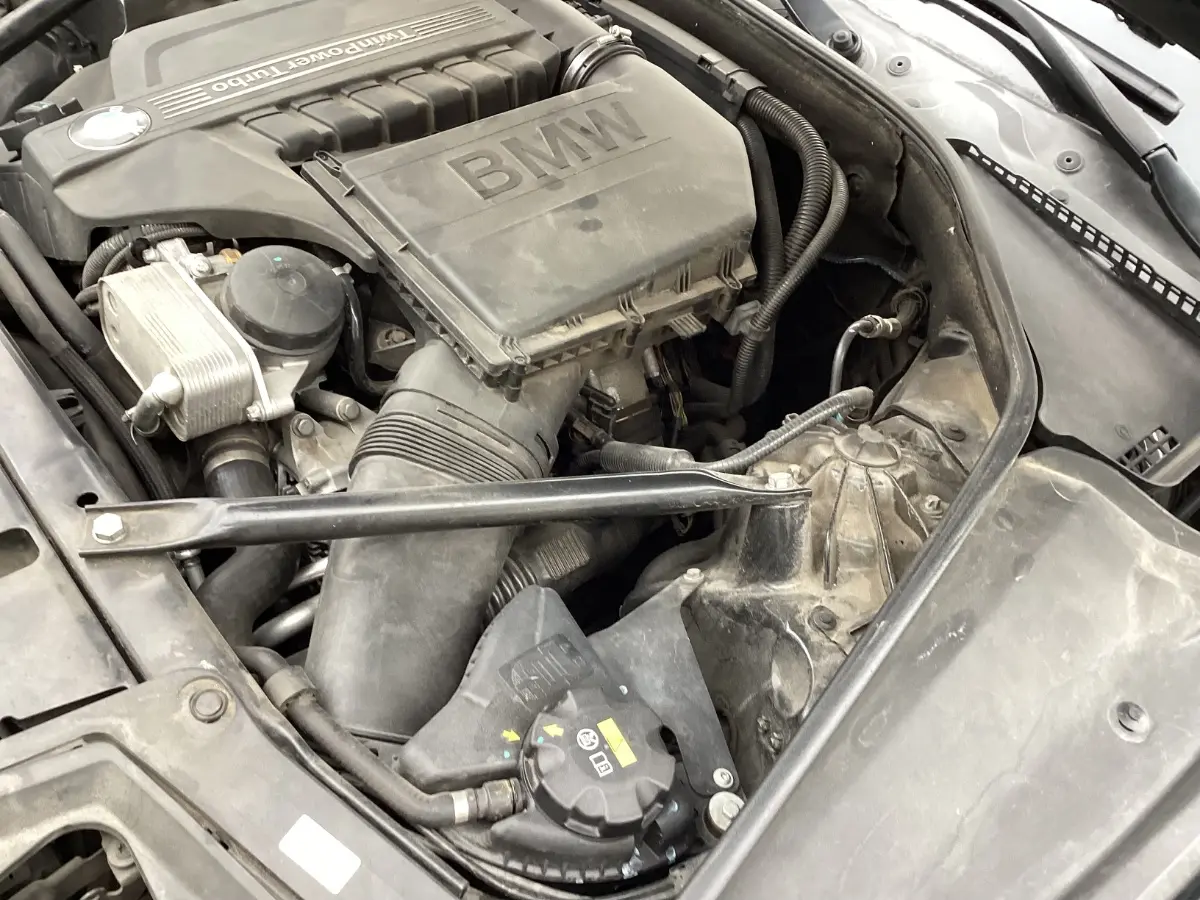
- check engine light diagnostics and engine repair
- transmission repair
- air conditioning recharge and repair
- suspension repair
- cooling system repair
- exhaust system repair
- electrical diagnostics
- alternator and starter replacement
- tire repair, replacement, and rotation
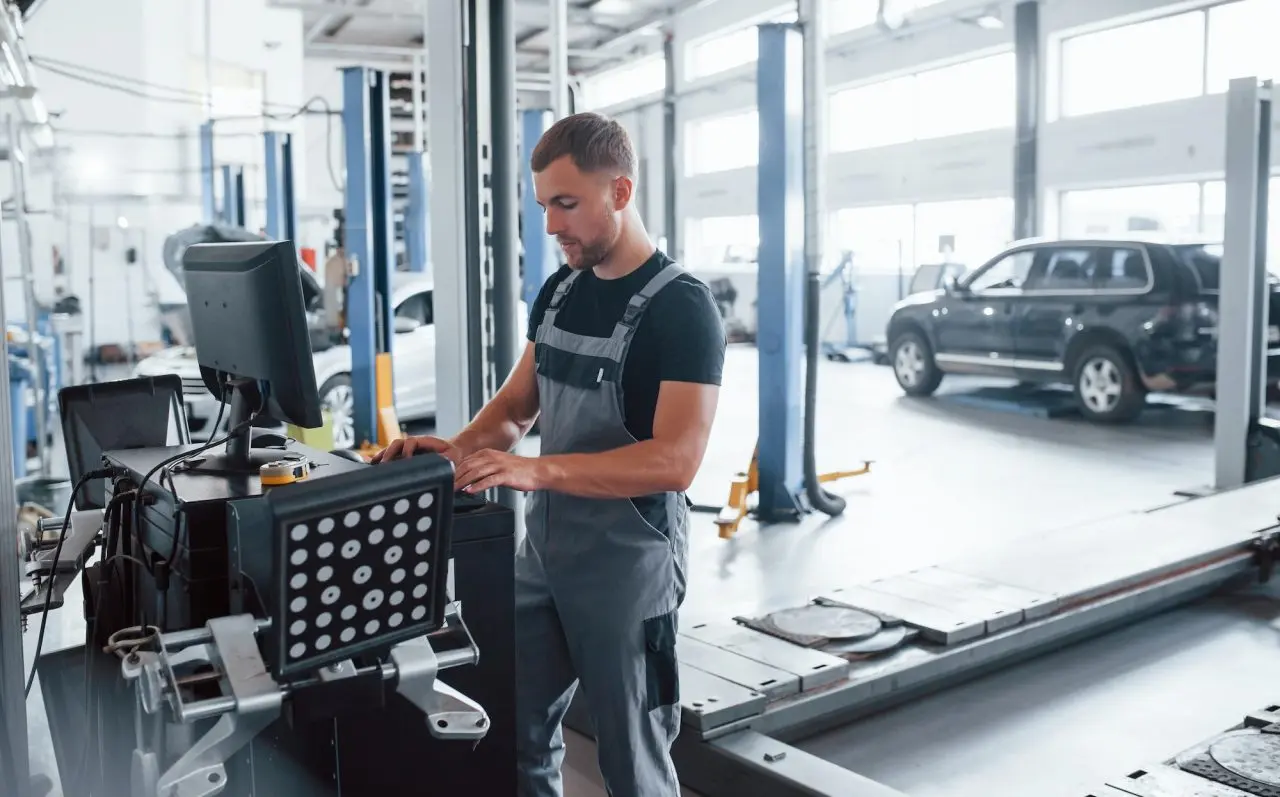
- wheel alignment
Schedule a visit to our auto shop today!







Shop Hours
Our Services
Local Distinction In Import Auto Repair
Since 1983, A&B Import Auto technicians have helped Fort Collins drivers prioritize repairs and keep their vehicles in top running condition. We are committed to excellence, which is why we’re proud to be part of the National Federation of Independent Businesses (NFIB), Automotive Service Association (ASA), and TECHNET Professional Automotive Service. Our ASE–certified technicians specialize in all European, German, Japanese and Korean car repair services.
What Sets Us Apart from Other Auto Shops
At A&B Import Auto, we believe every driver deserves the best service possible—whether you drive a car, truck, van, or SUV. Our honest team is committed to clear communication, quality work, and treating your vehicle like it’s our own. With strong ties to the community and countless five-star reviews from satisfied customers, we’ve built a reputation you can trust. While our technicians work on your vehicle, you can relax in our comfortable waiting room, or take advantage of our convenient, free shuttle service to keep your day running smoothly. When you partner with us, you’re sure to enjoy a great experience at a fair cost!
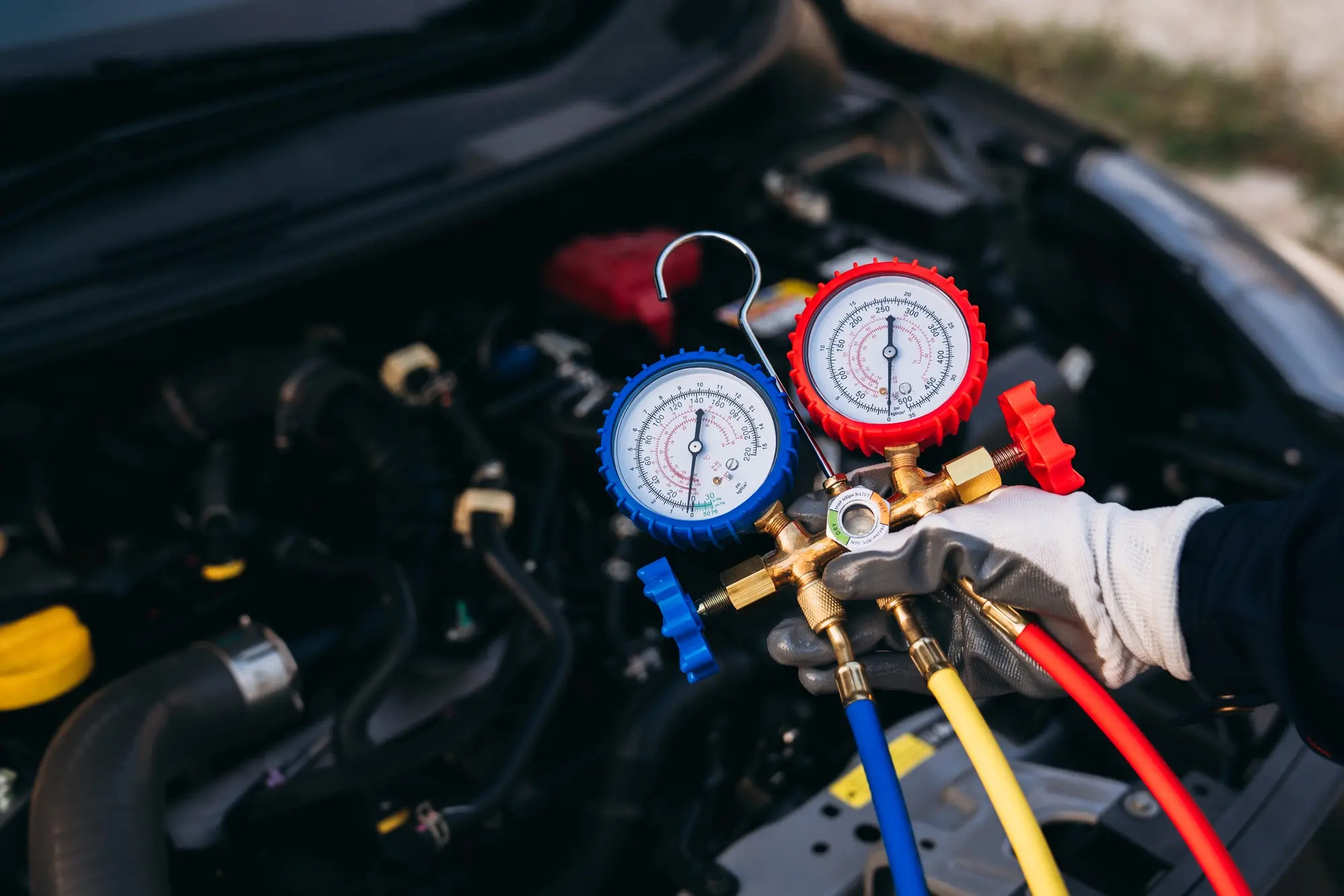
Stay cool and comfortable on the road with expert air conditioning...
A&B Import Auto: Expert alternator repair and replacement services When your...
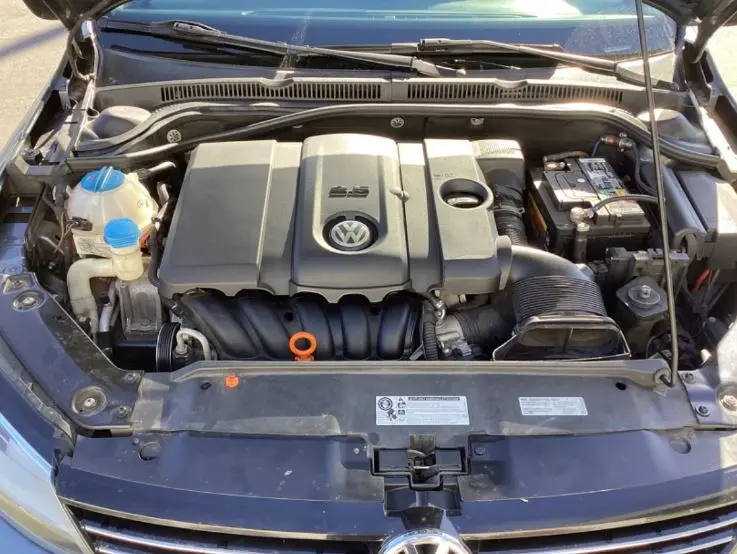
Keeping your car in good shape requires attention to many parts,...
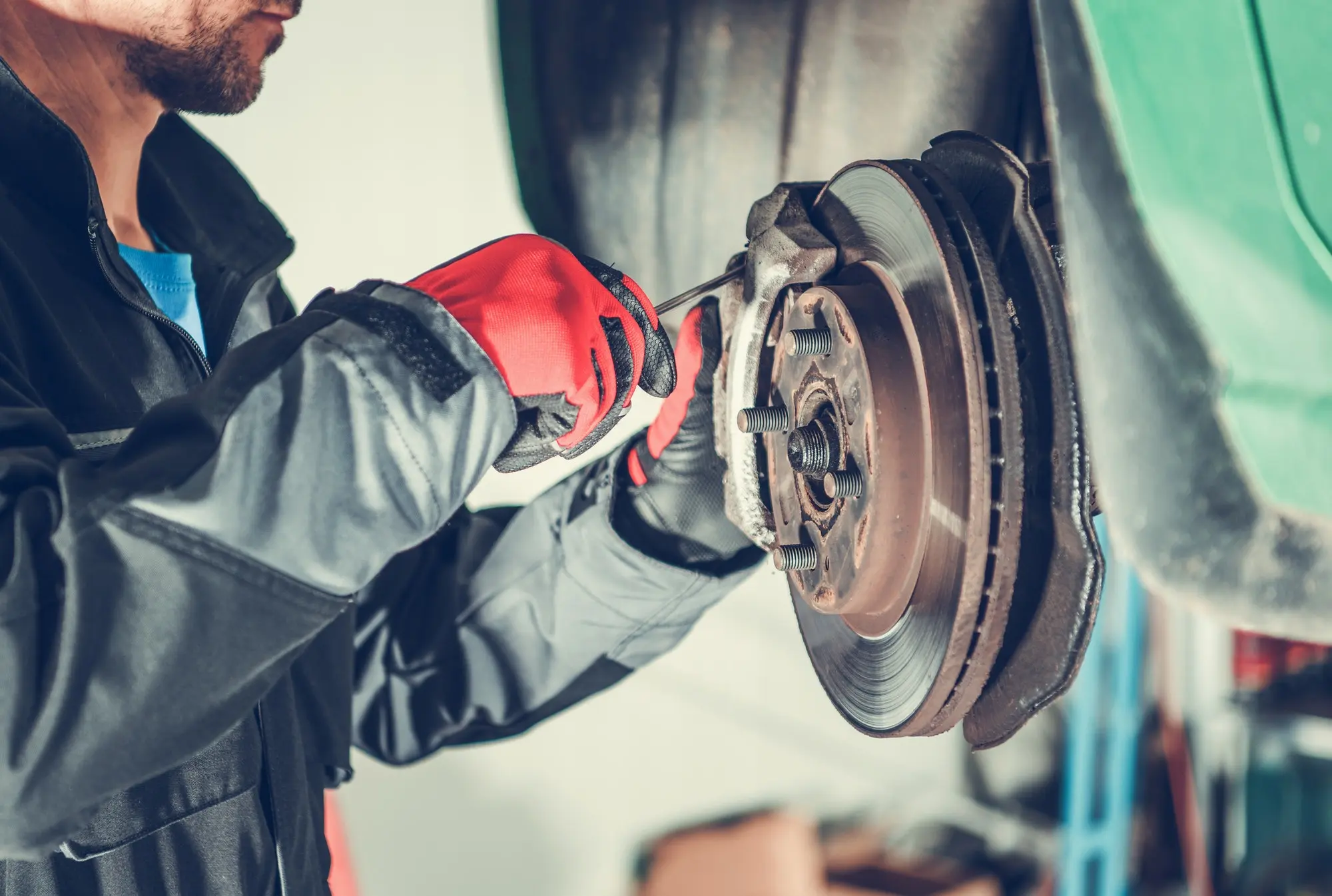
Ensure your safety on the road with expert brake repairs and...
Your car battery is one of the most important parts under...
Keeping your vehicle’s filters in good condition is one of the...
Our 36-month/36,000 Mile Nationwide Warranty
A&B Worry-Free Nationwide Guarantee
As an authorized PAC facility, A&B parts and repairs are covered by a nationwide limited repair warranty that extends across North America, for 36 months or 36,000 miles, whichever comes first. That means you’re covered wherever you go on the road, giving you unmatched peace of mind.
- 36 Months or 36,000 Mile Limited Warranty
- 24 Roadside Assistance For All Covered Parts
- Road Hazard Tire Repair
Schedule Your Appointment Today
Do You Have Import Auto Repair Questions?
If you have any questions or concerns about your import car and our foreign car repair services in the Fort Collins, Loveland and Northern Colorado area, please give A&B Import Auto Repair a call. We are happy to discuss your cares or concerns! Or just stop by our facility and say hi! Our friendly staff members are always happy to see new faces and will be glad to show you around our shop. We can discuss your individual automotive needs to create a budget-friendly, effective service plan for your import vehicle. Online appointments are also available!
Location and Contact Information
Find us at 1943 E. Lincoln Avenue near Kingfisher Point Natural Area. You can also reach us at 970-661-8406 or through our online scheduling system to book your next appointment. We look forward to hearing from you!
Testimonial
Client Feedback
Vehicle Tips
Recent Posts
Mercedes Service A vs B: What’s Included and What It Costs
When your Mercedes-Benz displays “Service A Due” or “Service B Due,” the message sounds straightforward. Then you request an estimate—and
Land Rover & Range Rover Repair in Fort Collins: Cost, Issues, and Solutions
Land Rover and Range Rover vehicles offer a combination that few other SUVs can match: luxury, capability, distinctive styling, and
Mercedes Service in Fort Collins: What Dealerships Won’t Tell You
Mercedes-Benz vehicles are engineered to deliver comfort, performance, and advanced technology. They are also complex machines that require the right